

Why Buy Certified Cases – Protection You Can Trust
Nearly six out of ten British mobile phone owners have experienced disappointing protection from uncertified cases. Choosing the right phone accessory goes far beyond looks, especially when your device’s safety hangs in the balance. Understanding what official certification really means gives you the power to spot products that truly live up to their promises. This guide breaks down how certified cases deliver proven safety, quality, and peace of mind for every British shopper.
Table of Contents
- Certified Cases: What Official Certification Means
- Why Certification Matters
- Common Types of Certified Cases in the UK
- Key Certification Categories
- How Accredited Testing Ensures Device Safety
- Key Testing Parameters
- Health, Warranty, and Insurance Implications
- Key Certification Benefits
- Risks of Uncertified or Counterfeit Phone Cases
- Key Risks of Uncertified Cases
Key Takeaways
| Point | Details |
|---|---|
| Importance of Certification | Official certification ensures that mobile phone cases meet rigorous quality and safety standards, providing reassurance to consumers. |
| Types of Certified Cases | Common categories include impact-resistant, military-grade, and environmentally certified cases, each with specific testing requirements. |
| Financial and Health Benefits | Certified cases enhance warranty terms and insurance coverage while ensuring materials used are safe for user health. |
| Risks of Uncertified Cases | Uncertified cases may pose health risks, compromise device protection, and result in voided warranties and increased long-term costs. |
Certified Cases: What Official Certification Means
When it comes to mobile phone case protection, official certification isn’t just a fancy label - it’s a rigorous process that guarantees genuine quality and safety standards. In the United Kingdom, product certification is carefully managed by the United Kingdom Accreditation Service (UKAS), which ensures that certification bodies meet internationally recognised standards.
The certification process involves comprehensive testing and evaluation of product characteristics, materials, and manufacturing methods. Specifically for phone cases, this means independent experts thoroughly examine factors like impact resistance, material durability, device compatibility, and protective performance. A certified case demonstrates it has passed multiple stringent quality checks, providing consumers with confidence that the product will genuinely protect their valuable mobile devices.
One prominent example of official certification in the UK is the Kitemark, operated by the British Standards Institution (BSI). This quality trademark signifies that a product has been independently tested and meets specific British standards. When you choose a certified phone case, you’re selecting a product that has undergone meticulous scrutiny, ensuring it delivers the protective performance promised by the manufacturer.
Pro Tip for Smart Shoppers: Always request certification documentation or look for official certification logos when purchasing mobile accessories. These marks are your guarantee of quality, safety, and reliable protection for your precious devices.
Why Certification Matters
Certification goes beyond mere marketing claims. It provides:
- Independent verification of product quality
- Assurance of safety standards
- Confirmation of manufacturing consistency
- Protection against substandard manufacturing practices
By prioritising certified cases, you’re making an informed decision that prioritises both device protection and consumer confidence.
Common Types of Certified Cases in the UK
In the mobile accessories market, certified cases come in various categories, each designed to meet specific protection standards and consumer needs. These certified cases are not just random protective shells, but carefully engineered solutions that undergo rigorous testing and verification processes. Manufacturers seeking certification must demonstrate their products meet exacting requirements for durability, safety, and device compatibility.
The primary types of certified phone cases in the UK include impact-resistant cases, military-grade protective cases, and environmentally certified cases. Impact-resistant cases typically undergo standardised drop tests, ensuring they can withstand significant physical stress without compromising device integrity. Military-grade cases are tested to meet stringent defence and industrial standards, providing extreme protection against drops, shocks, and environmental challenges.
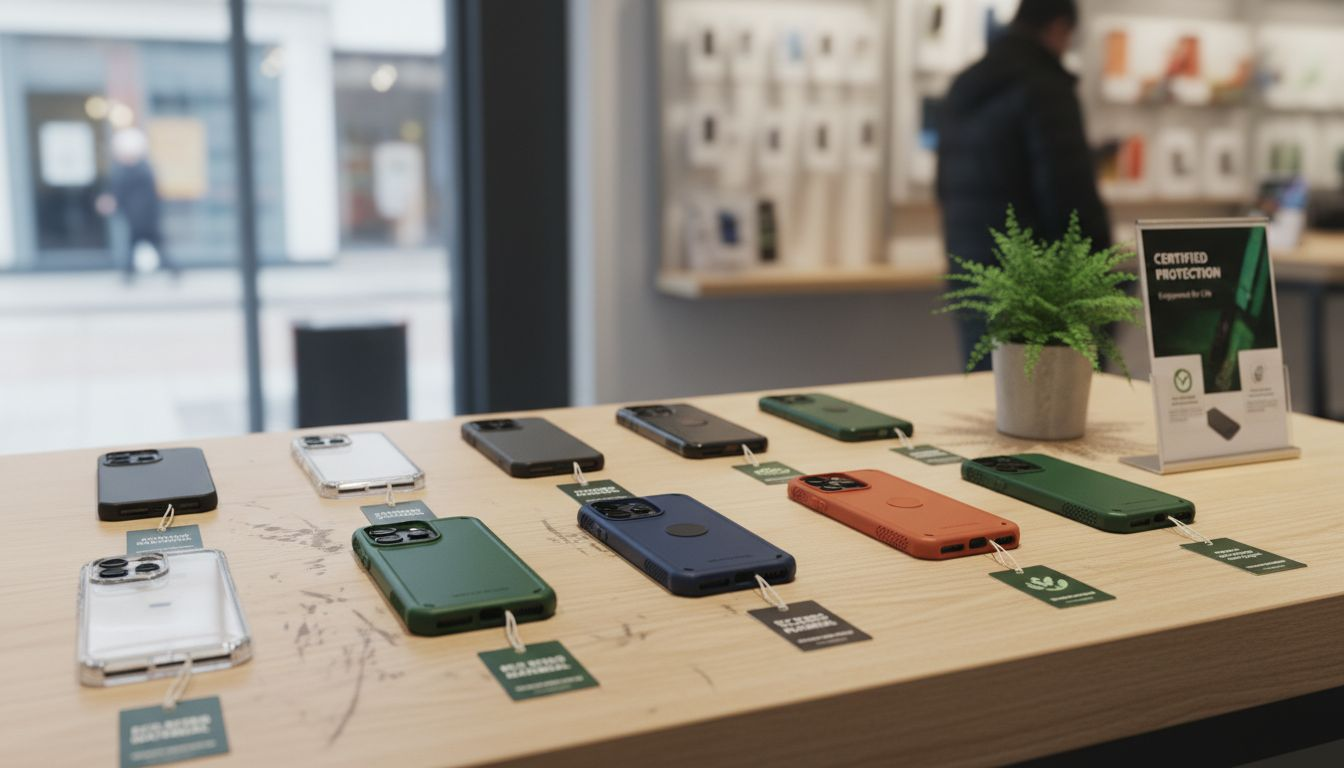
Environmentally certified cases represent a growing category, focusing on sustainable materials and manufacturing processes. These cases are evaluated not just for protective capabilities, but also for their ecological footprint, including recyclability, use of non-toxic materials, and reduced carbon emissions during production. Some certifications specifically examine the entire lifecycle of the case, from raw material sourcing to eventual disposal.
Additional specialized certified case categories include workplace-specific cases designed for industrial environments, healthcare-grade cases with antimicrobial properties, and children’s device cases engineered with child-safety certifications. Each category addresses unique protection requirements while maintaining strict quality standards.
Pro Consumer Tip: Always verify the specific certification standards when purchasing a protective case, as different certifications indicate varying levels of protection and quality assurance.
To help clarify the choices available, here is a comparison of the main types of certified phone cases in the UK:
| Case Type | Primary Focus | Example Certification | Typical User Needs |
|---|---|---|---|
| Impact-Resistant | Drop and shock absorption | Kitemark, UKCA | Everyday device protection |
| Military-Grade | Extreme durability | MIL-STD-810G, BSI | Outdoor, trade, or heavy use |
| Environmentally Certified | Sustainability | Blue Angel, Carbon Trust | Eco-conscious purchasing |
| Healthcare-Grade | Hygiene and safety | ISO 22196, NHS Compliance | Medical, sensitive environments |
| Workplace-Specific | Industry standards | BSI, Construction Certifications | Industrial or hazardous settings |
| Child-Safety Certified | Non-toxic, safe design | EN71, Child Safety Mark | Young children’s devices |
Key Certification Categories
Certified phone cases typically fall into these primary categories:
- Impact Resistance Certification
- Durability Standards
- Environmental Compliance
- Safety Regulation Conformity
- Materials Performance Certification
By understanding these certification types, consumers can make informed decisions about protecting their mobile devices with scientifically validated protective solutions.
How Accredited Testing Ensures Device Safety
Accredited testing represents the gold standard in verifying mobile accessory safety and performance. Conformity assessments conducted by recognised bodies provide consumers with an independent, scientifically rigorous evaluation of product quality and reliability. These assessments go far beyond simple visual inspections, involving complex laboratory testing that simulates real-world usage scenarios for mobile phone cases.
The testing process encompasses multiple critical dimensions of device protection. Experts systematically evaluate impact resistance, material durability, thermal stability, chemical resilience, and structural integrity. Stress testing involves subjecting cases to extreme conditions - repeated drop tests from various heights, exposure to temperature variations, compression trials, and simulated everyday wear and tear. These comprehensive assessments ensure that certified cases can genuinely protect mobile devices under diverse and challenging circumstances.
In the United Kingdom, organisations like the British Standards Institution (BSI) play a crucial role in establishing and maintaining rigorous testing protocols. Their Kitemark certification represents an internationally recognised stamp of quality, indicating that a product has undergone extensive independent verification. This means consumers can trust that a certified case has been objectively assessed for safety, performance, and reliability, rather than relying solely on manufacturer claims.
The testing methodology involves precise, standardised procedures that measure multiple protective attributes. These include shock absorption capabilities, scratch resistance, UV stability, antimicrobial properties, and compatibility with wireless charging technologies. Manufacturers must demonstrate consistent performance across batch samples, ensuring that every certified case meets the same high-quality standards.
Pro Consumer Tip: Request detailed certification documentation when purchasing a mobile case, and look for specific testing standards referenced on the product packaging.
Key Testing Parameters
Accredited device safety testing typically evaluates:
- Impact resistance
- Material durability
- Temperature tolerance
- Chemical resilience
- Structural integrity
- Wireless charging compatibility
By understanding these comprehensive testing protocols, consumers can make informed decisions about mobile device protection.
Health, Warranty, and Insurance Implications
Conformity assessments and product certifications play a critical role in determining warranty terms, insurance coverage, and potential health protection for mobile device accessories. These official evaluations provide consumers with more than just a stamp of approval - they offer tangible financial and safety benefits that extend far beyond simple product packaging claims.
From an insurance perspective, certified phone cases can significantly impact device protection claims. Insurers typically view certified accessories more favourably, often providing more comprehensive coverage for devices protected by independently tested cases. This means that in scenarios involving accidental damage, having a certified case might improve your chances of successful insurance claims, potentially reducing excess payments or preventing claim rejections.
Health implications are equally significant. Certified cases undergo rigorous testing for material safety, ensuring they do not contain harmful chemicals or potentially toxic substances that could compromise user wellbeing. The Kitemark certification, for instance, represents a stringent assessment of product safety standards, giving consumers confidence that their mobile accessories meet strict health and environmental regulations. This is particularly crucial for individuals with sensitive skin or those concerned about long-term exposure to potentially harmful materials.
Warranty provisions also benefit substantially from product certification. Manufacturers of certified cases are more likely to offer extended warranty periods, recognising the superior quality and durability demonstrated through independent testing. This provides consumers with additional protection and reflects the manufacturer’s confidence in their product’s performance and longevity.
Pro Consumer Tip: Always retain certification documentation alongside your device and case, as this can provide crucial evidence when making insurance or warranty claims.
Below is an overview of how certified and uncertified phone cases can affect your financial and insurance situation:
| Factor | Certified Cases Provide | Uncertified Cases Provide |
|---|---|---|
| Insurance Claims | Favourable consideration | Claims often denied |
| Warranty Protection | Extended or full coverage | Frequently voided warranties |
| Device Replacement | Lower out-of-pocket expenses | Higher replacement costs |
| Health Risks | Tested for material safety | Risk of toxic substances |
Key Certification Benefits
Certified cases offer multiple protective advantages:
- Enhanced insurance claim potential
- Improved warranty terms
- Verified material safety
- Reduced health risks
- Demonstrated product reliability
By choosing certified accessories, consumers invest in comprehensive device protection that extends well beyond simple physical coverage.
Risks of Uncertified or Counterfeit Phone Cases
Uncertified phone cases represent a hidden minefield of potential risks for unsuspecting consumers. These substandard accessories might appear visually appealing and cost-effective, but they conceal significant dangers that could compromise both device integrity and personal safety. The allure of a cheaper alternative often masks critical manufacturing shortcomings that can lead to catastrophic device damage or potential personal injury.
The material composition of uncertified cases poses substantial health and technical risks. Unregulated manufacturers frequently use low-quality plastics containing harmful chemicals like phthalates or bisphenol A, which can potentially cause skin irritation, allergic reactions, or long-term health complications. Structural weaknesses in these cases mean they provide minimal protection against drops, impacts, or everyday wear and tear, leaving expensive mobile devices vulnerable to potentially irreparable damage.
Financial implications extend beyond immediate device protection. Uncertified cases typically void manufacturer warranties, leaving consumers financially exposed if their mobile device suffers damage. Insurance providers are also unlikely to honour claims involving devices damaged while using non-certified accessories. This means that the initial cost savings from purchasing a cheap, unverified case could result in significantly higher expenses if device replacement becomes necessary.
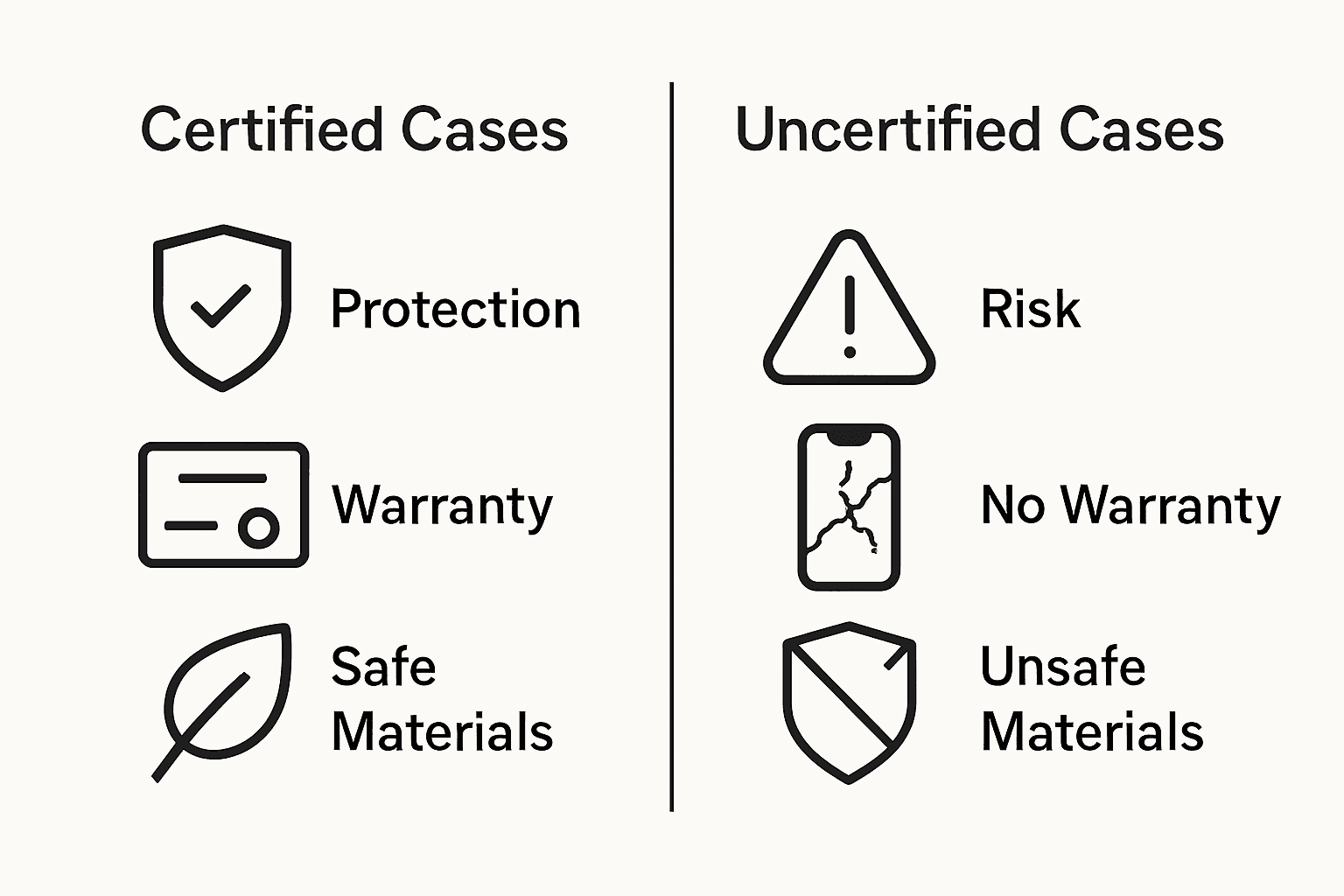
Counterfeit cases frequently demonstrate poor electrical design, potentially interfering with device charging, wireless connectivity, or even creating electrical hazards. Poorly manufactured charging ports or inappropriate material selections can cause overheating, signal interference, or short-circuiting risks. These technical vulnerabilities represent serious threats to both device functionality and user safety.
Pro Consumer Tip: Always verify product certifications and purchase accessories from reputable manufacturers with transparent testing credentials.
Key Risks of Uncertified Cases
Uncertified phone cases potentially expose consumers to:
- Harmful chemical exposure
- Compromised device protection
- Voided manufacturer warranties
- Potential electrical hazards
- Increased long-term financial risks
Investing in certified accessories represents a crucial step in comprehensive device and personal protection.
Protect Your Device with Certified Quality You Can Trust
Choosing the right phone case means more than just style. The article highlights the risks of uncertified cases including compromised protection, health hazards, and voided warranties. At StudioShake, we understand your need for reliable, independently tested protection that truly safeguards your device against daily wear and unexpected accidents. With certified materials and proven durability, our range ensures peace of mind alongside premium design.
Explore our exclusive collection for iPhone and discover options compatible with MagSafe technology — each case reflecting stringent safety and quality standards.
Take control of your device’s protection now by browsing StudioShake. Don’t risk damage or warranty issues; invest today in certification-backed cases that deliver confidence and lasting security.
Frequently Asked Questions
What does certified mean when it comes to phone cases?
Certified phone cases have undergone rigorous testing and evaluation to ensure they meet specific quality, safety, and performance standards set by accredited organisations. This process includes independent verification of factors like impact resistance, material durability, and device compatibility.
Why should I choose a certified phone case over an uncertified one?
Choosing a certified phone case provides peace of mind regarding the protection it offers for your device. Certified cases are tested for their safety and effectiveness, ensuring they can withstand drops and impacts. Uncertified cases may not meet safety standards and could potentially expose you to risks like harmful materials and compromised device protection.
What are the key features tested in certified phone cases?
Certified phone cases are typically evaluated for impact resistance, material durability, temperature tolerance, chemical resilience, and structural integrity. These tests simulate real-world usage scenarios to ensure that the cases can genuinely protect mobile devices in various conditions.
Can using a certified case affect my device’s warranty or insurance claims?
Yes, using a certified case can positively impact warranty provisions and insurance claims. Many insurers view certified accessories more favourably and may provide better coverage. Additionally, certified cases often come with extended warranty periods because they undergo independent testing, reflecting higher quality and durability.