

7 Top Phone Case Materials Every Parent Should Know
Every british family knows just how quickly a child’s hands can turn a new phone into a battered device. With over 80 percent of parents worried about costly repairs, choosing the right phone case becomes more than just a practical decision. For many, a high-quality iPhone Leather Wallet Case provides the perfect balance of screen protection and durability. This guide spotlights the unique strengths of common materials, from silicone to eco-friendly blends, so you can pick protection that fits both your lifestyle and your values.
Table of Contents
- 1. Silicone: Flexible Protection for Everyday Use
- 2. TPU: Durable and Shock-Absorbing Choice
- 3. Leather: Classic Style with Extra Grip
- 4. Hard Plastic: Lightweight but Tough Defence
- 5. Fabric Cases: Soft, Comfortable, and Stylish
- 6. Hybrid Cases: Combining Materials for Ultimate Safety
- 7. Eco-Friendly Materials: Sustainable Protection Options
Quick Summary
| Takeaway | Explanation |
|---|---|
| 1. Choose silicone for lightweight protection | Silicone cases offer effective shock absorption and are slim, making them a great choice for everyday use without adding bulk to your phone. |
| 2. Opt for TPU for durability and flexibility | TPU cases provide excellent shock absorption and scratch resistance, ensuring robust protection for smartphones during active use. |
| 3. Select leather for a stylish grip | Leather cases combine elegance with moderate protection, enhancing grip with a natural feel, making them ideal for parents who value aesthetics. |
| 4. Consider hard plastic for cost-effective defence | Polycarbonate cases are highly lightweight yet durable, offering a strong shield against scratches and impacts while maintaining a slim profile. |
| 5. Explore eco-friendly options for sustainability | Eco-friendly cases made from biodegradable materials offer solid protection while reducing environmental impact, making them suitable for environmentally conscious parents. |
1. Silicone: Flexible Protection for Everyday Use
Silicone phone cases represent a go-to solution for parents seeking reliable everyday device protection. Our iPhone Silicone Case Cover is designed as a soft and adaptable material that provides exceptional grip and basic protection for mobile devices. These flexible cases offer a practical defence mechanism for smartphones that are constantly exposed to potential bumps, drops, and daily wear and tear.
As a soft and adaptable material, silicone provides exceptional grip and basic protection for mobile devices. According to research from Marshall University, these cases come with both advantages and limitations. While they excel in providing a secure hold and preventing accidental slips, they can also attract dust and lint due to their slightly sticky surface texture.
Key Benefits for Parents:
- Lightweight and slim design
- Multiple colour options available
- Excellent shock absorption for minor impacts
- Affordable protection strategy
For families with active children, a silicone case offers crucial first-line defence. Its flexibility means it can absorb minor impacts without adding significant bulk to your smartphone. Just be mindful that over time, these cases might become misshapen or develop small tears with intense use.
To maximise your silicone case’s lifespan, choose high-quality variants and replace them periodically. Learn more about selecting the perfect protective case in our guide on understanding silicone phone cases.
2. TPU: Durable and Shock-Absorbing Choice
Thermoplastic Polyurethane (TPU) represents a cutting-edge solution for parents seeking robust smartphone protection. This advanced material offers an impressive combination of flexibility and durability that makes it a top choice for phone case construction.
According to research from Founders Blog, TPU is a remarkable material that actively absorbs impact energy. When a phone experiences a sudden shock or drop, the TPU case deforms to distribute and reduce the force transmitted to the device, providing critical protection for your valuable smartphone.
Key Advantages of TPU Cases:
- Excellent shock absorption capabilities
- High scratch resistance
- Water resistant properties
- Flexible and lightweight design
For families with active children who frequently handle smartphones, a TPU case provides a reliable defence mechanism. Its unique molecular structure allows the material to flex and compress during impact, effectively cushioning your device from potential damage. Research indicates that TPU balances protection with affordability, making it an intelligent choice for budget conscious parents.
To maximise protection, look for TPU cases with reinforced corners and raised edges. Explore more about protective phone case features in our guide on durable phone case options.
3. Leather: Classic Style with Extra Grip
Leather phone cases represent a timeless choice for parents seeking both sophistication and practical protection. These premium cases combine elegant aesthetics with functional design, offering a unique approach to smartphone safeguarding.
According to research from AEA Network, leather cases provide moderate protection while delivering a distinctively refined appearance. What makes leather particularly appealing is its ability to develop a unique patina over time, transforming from a simple protective accessory into a personalised item that tells a story.
Advantages of Leather Phone Cases:
- Premium aesthetic appeal
- Natural grip and texture
- Moderate impact protection
- Ages beautifully with use
- Environmentally conscious material options
For parents juggling multiple tasks, a iPhone Leather Wallet Case offers more than just protection. Its natural texture provides enhanced grip, reducing the likelihood of accidental drops while keeping your essential cards in one place. The material naturally conforms to your hand, creating a comfortable and secure holding experience.
When selecting a leather case, prioritise options crafted from high quality materials like top grain or waxed leather. These variants offer superior durability and develop a more attractive patina as they age. Explore more about protective case options in our phone case durability guide.
4. Hard Plastic: Lightweight but Tough Defence
Hard plastic phone cases represent a smart solution for parents seeking robust protection without unnecessary bulk. Specifically, polycarbonate offers an impressive combination of lightweight design and exceptional durability for smartphone defence.
Research from Founders Blog reveals that polycarbonate provides outstanding scratch resistance and a rigid structural integrity that protects devices from everyday wear and tear. This material acts as a formidable shield against potential damage while maintaining a sleek profile.
Key Advantages of Hard Plastic Cases:
- Extremely lightweight construction
- High impact and scratch resistance
- Slim and minimalist design
- Excellent structural protection
- Cost effective option
For active families with children who tend to be rough with electronic devices, a hard plastic case offers critical protection. Its rigid composition helps distribute impact forces across the case, reducing the risk of direct damage to your smartphone. The material can also be engineered to absorb shock more effectively when combined with softer materials like TPU.
When selecting a hard plastic case, look for options with reinforced corners and raised edges to maximise device protection. For a deeper understanding of phone case materials, check out our guide to phone case materials.
5. Fabric Cases: Soft, Comfortable, and Stylish
Fabric phone cases represent a unique and personalised approach to smartphone protection for style conscious parents. These cases offer a perfect blend of comfort, aesthetic appeal, and moderate device defence that stands out from traditional hard materials.
According to research from Founders Blog, fabric cases provide a soft and comfortable feel while introducing a distinctive styling option for your smartphone. However, they do require more careful maintenance to preserve their appearance and functionality.
Key Advantages of Fabric Cases:
- Soft and pleasant tactile experience
- Wide range of stylish design options
- Comfortable grip
- Lightweight construction
- Personalisation potential
For parents seeking a phone case that reflects their individual style, fabric options deliver both personality and protection. Canvas fabric tends to be more durable compared to delicate textiles, offering better resistance against daily wear and potential damage. Keep in mind that these cases can be susceptible to staining and fading when exposed to direct sunlight or moisture.
When selecting a fabric case, prioritise high quality materials and consider your lifestyle needs. For more insights into stylish phone case options, explore our guide on fashion in phone cases.
6. Hybrid Cases: Combining Materials for Ultimate Safety
Hybrid phone cases represent the pinnacle of smartphone protection for parents seeking comprehensive device defence. By strategically combining multiple materials, these innovative cases deliver a multifaceted approach to safeguarding your valuable electronic device.
Research from Founders Blog reveals that hybrid cases masterfully blend different material properties to create superior protection. Typically, these cases integrate materials like thermoplastic polyurethane (TPU) and polycarbonate to achieve an optimal balance between flexibility and rigidity.
Key Advantages of Hybrid Cases:
- Multiple layer protection strategy
- Superior shock absorption capabilities
- Enhanced scratch resistance
- Lightweight design
- Customised defence mechanisms
For families with active children who regularly handle smartphones, hybrid cases offer a strategic defence against potential damage. The combination of soft TPU with hard polycarbonate creates a protective shell that can absorb impacts while preventing surface scratches. This intelligent design means your smartphone remains protected without compromising on style or comfort.
When selecting a hybrid case, look for options with reinforced corners and raised screen edges to maximise protection. Dive deeper into understanding these protective solutions with our comprehensive hybrid phone case guide.
7. Eco-Friendly Materials: Sustainable Protection Options
Eco-friendly phone cases represent a progressive approach to smartphone protection that addresses both device safety and environmental responsibility. These innovative cases enable environmentally conscious parents to safeguard their devices while reducing plastic waste and supporting sustainable manufacturing practices.
According to Utopia Guide, sustainable phone cases like PELA are crafted using groundbreaking biodegradable materials that can decompose under appropriate conditions. These cases are engineered to be free from harmful chemicals such as BPA, phthalates, lead, and cadmium, offering a safer alternative to traditional plastic cases.
Key Advantages of Eco-Friendly Cases:
- Reduced environmental impact
- Biodegradable materials
- Free from toxic chemicals
- Comparable protection to standard cases
- Supporting sustainable innovation
For parents seeking to make environmentally responsible choices, eco-friendly phone cases provide an excellent opportunity to demonstrate commitment to sustainability. Materials like wheat straw and flax straw are being transformed into robust protective cases that offer solid shock absorption without compromising device safety.
When selecting an eco-friendly case, prioritise options with proven durability and transparent manufacturing processes. Want to explore more sustainable mobile accessories? Check out our guide to choosing phone case materials.
Below is a comprehensive table summarising the various types of phone cases discussed in the article, highlighting their features, benefits, and best use scenarios for parents.
| Case Type | Features | Best For |
|---|---|---|
| Silicone | Flexible, lightweight, multiple colours, shock absorption, affordable | Everyday protection with minor impacts |
| TPU | Shock absorption, scratch resistance, water resistant, flexible | Active families needing robust protection |
| Leather | Premium look, natural grip, moderate protection, develops patina | Style-conscious parents |
| Hard Plastic | Lightweight, scratch resistance, slim design, impact protection | Minimal bulk with strong defence |
| Fabric | Soft feel, stylish designs, comfortable grip, lightweight | Personal style expression |
| Hybrid | Multi-layer protection, shock absorption, scratch resistance | Comprehensive safety for active families |
| Eco-Friendly | Biodegradable materials, reduced environmental impact, free of toxic chemicals | Sustainable protection choices |
Discover the Perfect Phone Case Material for Your Family’s Needs
Choosing the right phone case that balances protection, style and durability can be a real challenge for parents managing busy family life. This article highlights key materials like silicone, TPU, leather and hybrid options that offer tailored defence against everyday bumps, drops and scratches. Understanding the advantages of each material helps you protect your valuable device while keeping up with active children.
At StudioShake, we provide a diverse range of phone cases crafted from top-performing materials designed for real family demands. Whether you want a budget-friendly option from our £1 Case Collection – StudioShake or a premium, shock-absorbing hybrid model, we have something to suit your lifestyle.
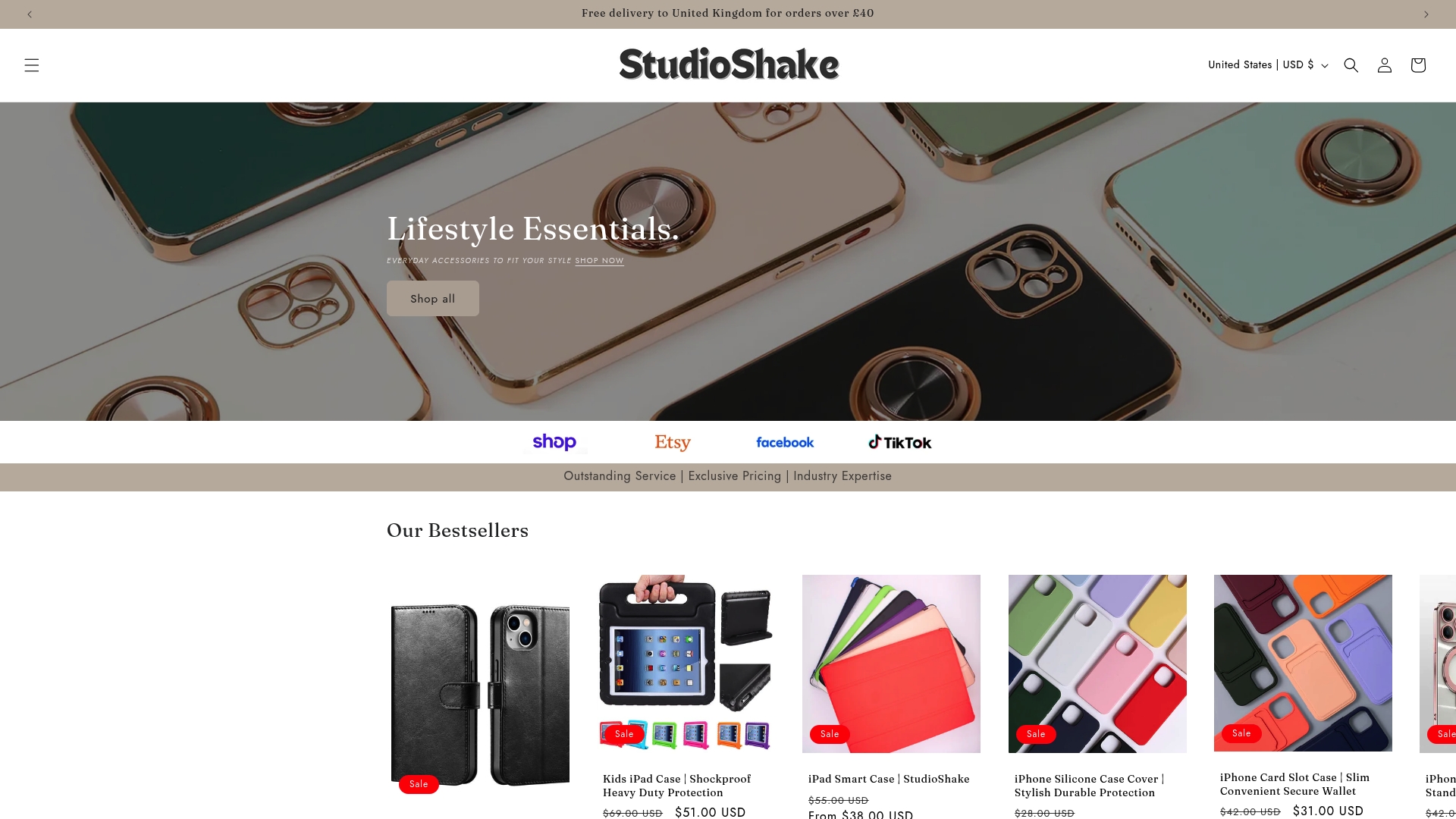
Explore the full selection at StudioShake today and find the ideal case that combines style, comfort and robust protection. Don’t wait for the next accident to happen. Protect your smartphone with confidence now and enjoy peace of mind on every family outing. Browse our Total sales by product – StudioShake for the most trusted favourites loved by parents like you.
Frequently Asked Questions
What are the best materials for phone cases for parents?
Silicone, TPU, leather, hard plastic, fabric, hybrid, and eco-friendly materials are the top options. Each material offers distinct advantages depending on your priorities, such as flexibility, durability, and style.
How do I choose the right phone case material for my child’s needs?
Consider the level of protection required based on your child’s activity level. For active children, materials like TPU or hybrid cases may provide the best shock absorption and protection against drops.
What maintenance is required for fabric phone cases?
Fabric phone cases may require more care to maintain their appearance. Clean them gently with a damp cloth and avoid exposing them to moisture or direct sunlight for extended periods to prevent staining and fading.
How often should I replace my phone case to ensure effective protection?
It is advisable to replace your phone case every 6–12 months, especially if you notice signs of wear such as tears or misshaping. Regularly assess the condition of your case to ensure optimal protection for your device.
Are eco-friendly phone cases as protective as traditional cases?
Yes, eco-friendly phone cases can offer comparable protection to standard cases while being made from sustainable materials. Look for cases that demonstrate durability and impact resistance to ensure they meet your protection needs.
Can a silicone case provide adequate protection against drops?
Yes, silicone cases offer excellent shock absorption, making them a reliable choice for protecting your phone from minor impacts. Ensure you select a high-quality silicone case to maximise its protective capabilities.