

Role of Textured Phone Cases Explained: Complete Guide
Every british consumer recognizes how small design features can make a big difference in daily life. Phones are handled dozens of times each hour, and a simple slip can spell disaster. Textured phone cases have grown popular because they address these real-world concerns head on. With over half of users reporting fewer accidental drops after switching to textured cases, shoppers are looking for grip, style, and practical protection all at once. Understanding these trending designs helps you choose smarter for your most-used device.
Table of Contents
- What Textured Phone Cases Are
- Types Of Textured Phone Case Materials
- How Texture Improves Grip And Protection
- Pros And Cons Of Textured Cases
- Alternatives To Textured Phone Cases
Key Takeaways
| Point | Details |
|---|---|
| Textured Phone Cases Enhance Grip and Protection | Their unique surface variations improve grip and reduce accidental drops, making them more functional than traditional cases. |
| Diverse Material Options | Textured cases are made from various materials including Silicone, TPU, and Biodegradable Polymers, offering differing protection levels and tactile experiences. |
| Pros and Cons to Consider | While textured cases provide superior grip and aesthetic appeal, they may attract dust and slightly increase thickness, impacting preferences for minimalism and wireless charging. |
| Alternatives Exist | Users can opt for smooth cases, hard shells, or biodegradable designs, each presenting unique protective qualities and aesthetic choices, depending on personal preferences. |
What textured phone cases are
A textured phone case represents a sophisticated protective accessory designed to add both functional security and aesthetic appeal to mobile devices. Unlike standard smooth cases, these innovative protective covers feature intentional surface variations that enhance grip, visual interest, and device protection.
Textured phone cases typically incorporate multiple tactile elements that distinguish them from traditional designs. These elements can include raised patterns, embossed details, rubberised finishes, or intricate surface treatments that create unique sensory experiences. Phone case design principles play a crucial role in determining how these textures are implemented and their overall effectiveness.
The primary characteristics of textured phone cases include:
- Enhanced slip resistance
- Improved device grip
- Aesthetic visual complexity
- Additional shock absorption
- Reduced visibility of minor scratches and fingerprints
From practical perspectives, textured cases serve multiple purposes beyond basic device protection. They transform a standard protective cover into a personalised accessory that reflects individual style while simultaneously offering pragmatic benefits like reduced accidental device drops and improved handling comfort. Parents and professionals alike appreciate these nuanced design approaches that merge functionality with personal expression.
Types of textured phone case materials
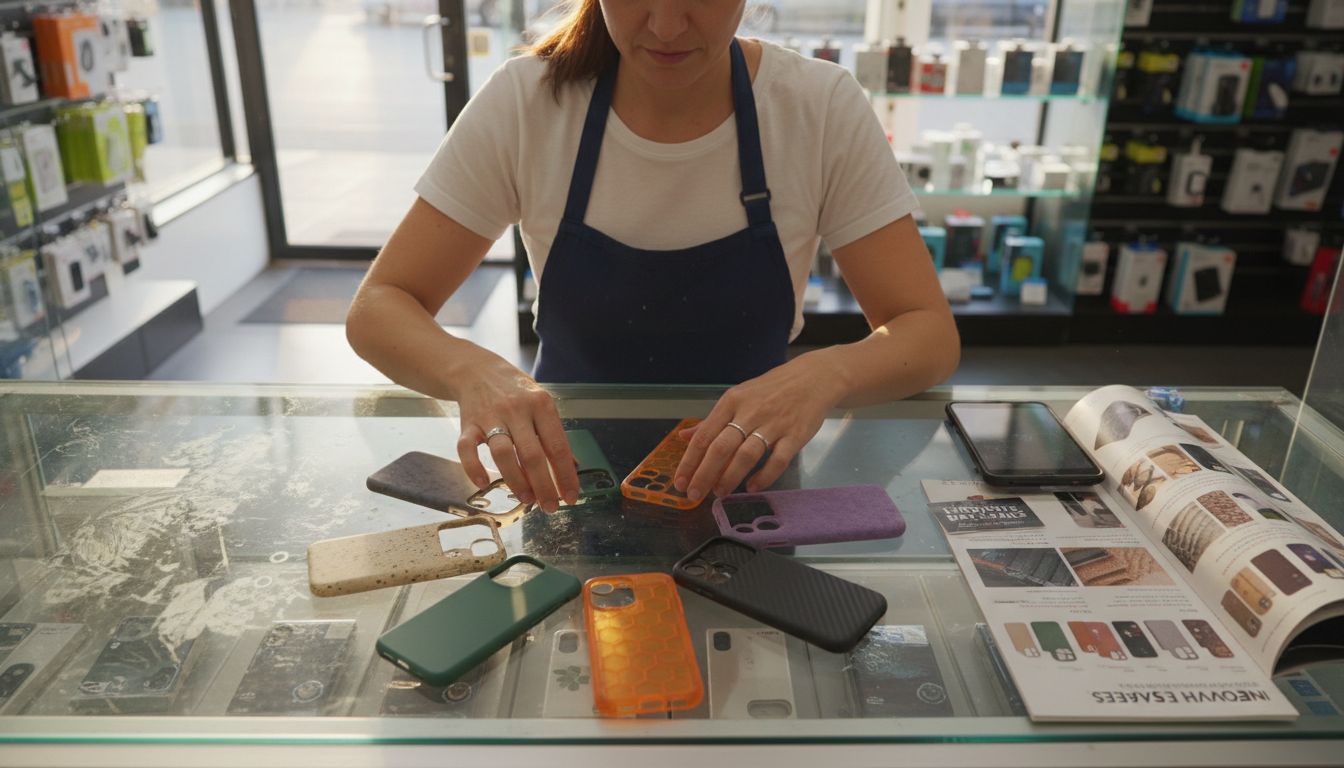
Textured phone case materials have evolved significantly, offering diverse options that blend functionality with innovative design. Modern manufacturers utilise a range of materials that provide unique tactile experiences and protective capabilities. Phone case materials research demonstrates the complexity of selecting appropriate textures and compositions.
Several primary material categories define textured phone case manufacturing, including:
- Silicone
- Thermoplastic Polyurethane (TPU)
- Polycarbonate
- Biodegradable polymers like Polylactic Acid (PLA)
- Recycled plastic compounds
Biodegradable materials such as Polylactic Acid (PLA) are becoming increasingly prominent in phone case production. These innovative materials offer remarkable flexibility, allowing manufacturers to create intricate textured surfaces while maintaining environmental sustainability. The ability to mould PLA into various complex textures makes it an exceptional choice for creating personalised and functional phone protection.
Each material brings distinctive characteristics to textured phone cases. Silicone provides exceptional grip and shock absorption, TPU offers robust impact resistance, while polycarbonate ensures lightweight durability. The selection of material directly influences the case’s texture, protective qualities, and overall user experience, making material choice a critical consideration for consumers seeking optimal device protection.
How texture improves grip and protection
Textured phone cases fundamentally transform device handling by creating strategic surface interactions that significantly reduce accidental drops and enhance overall protection. Phone case design principles demonstrate how minute surface variations can dramatically improve user experience and device safety.
The grip enhancement mechanism of textured cases operates through several critical physical principles:
- Increased surface friction
- Multiple contact points
- Reduced smooth surface area
- Enhanced hand-device interface
- Improved pressure distribution
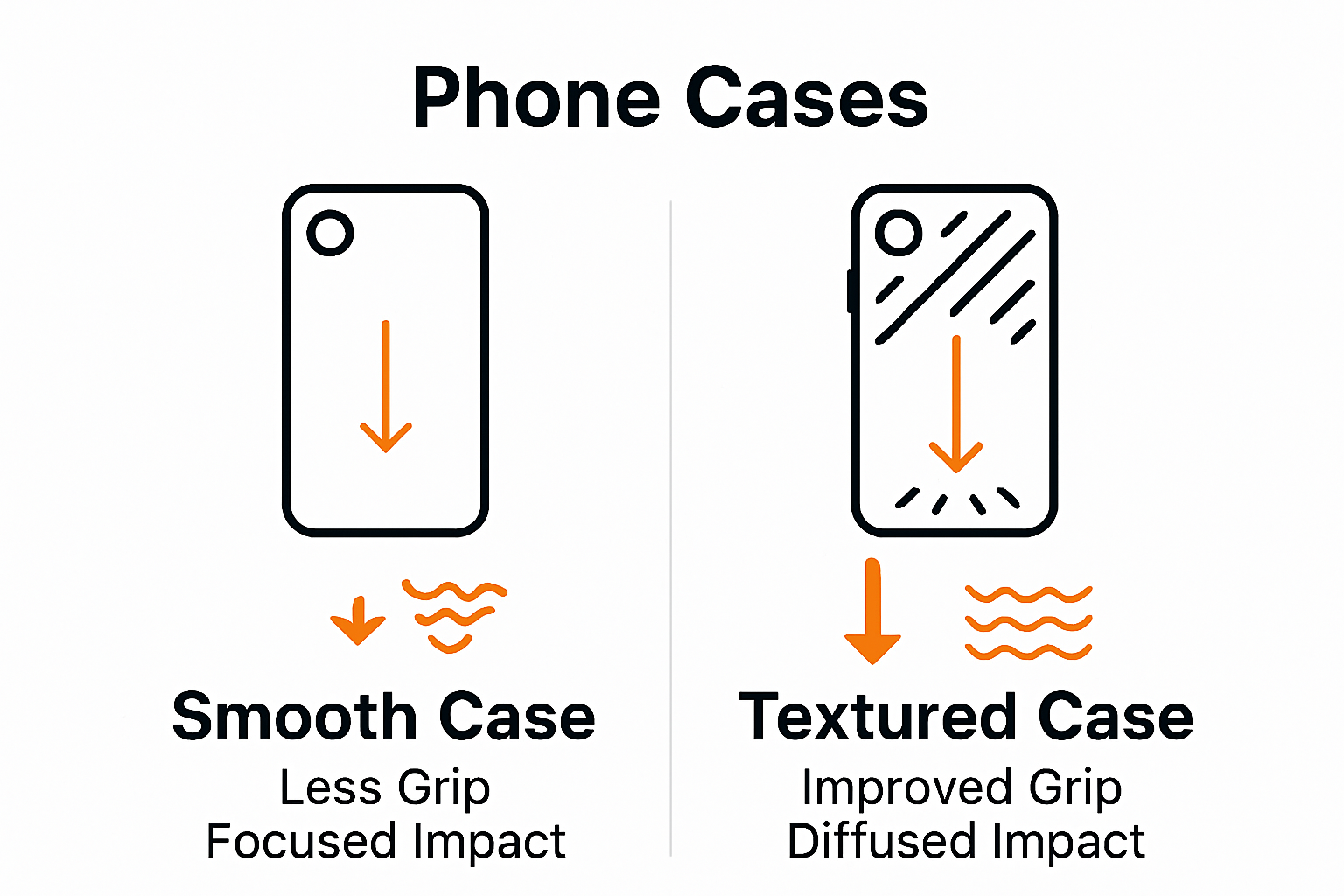
Texture creates microscopic channels and raised patterns that interrupt smooth contact between human skin and device surface. These intentional geometric variations break potential slippage points, effectively creating hundreds of tiny grip zones that distribute pressure more evenly. When a user holds a textured case, their fingers encounter multiple raised surfaces that naturally enhance holding stability, reducing the likelihood of accidental device drops.
Beyond grip improvement, textured surfaces provide additional protective benefits. The varied surface absorbs and disperses impact energy more efficiently than smooth cases, creating a complex mechanical buffer zone around the device. This means that when a phone experiences sudden movement or potential impact, the textured surface helps dissipate kinetic energy across multiple points, reducing concentrated stress on any single area of the case or phone itself.
Pros and cons of textured cases
Textured phone cases present a nuanced solution for device protection, offering a complex array of advantages and potential drawbacks that consumers must carefully consider. Investing in premium phone cases requires understanding these multifaceted design characteristics that impact both functionality and user experience.
The primary advantages of textured cases include:
- Superior grip prevention
- Enhanced shock absorption
- Reduced visible scratching
- Improved aesthetic complexity
- Better device handling stability
While textured cases provide remarkable protective benefits, they also introduce some potential limitations. The raised surface patterns can accumulate dust and debris more readily than smooth cases, potentially requiring more frequent cleaning. Additionally, some intricate textures might marginally increase the case’s overall thickness, which could affect wireless charging compatibility or slim-profile preferences.
Discerning users must weigh these considerations against their individual needs. Some individuals prioritise maximum grip and protection, making textured cases an ideal choice, while others might prefer sleeker, more minimalist designs. The decision ultimately depends on personal preference, daily usage patterns, and specific device protection requirements. Understanding these nuanced trade-offs helps consumers make informed choices about their mobile device protection strategy.
Alternatives to textured phone cases
For mobile device users seeking different protective options, several alternatives to textured phone cases exist that offer comparable or unique protective qualities. Slim phone case designs represent one popular alternative that addresses different user preferences and protection requirements.
Primary alternatives to textured phone cases include:
- Smooth silicone cases
- Clear transparent cases
- Minimalist hard shell cases
- Biodegradable smooth cases
- Thin elastic wraparound cases
Smooth cases made from materials like Polylactic Acid (PLA) provide an intriguing alternative for users prioritising aesthetics and environmental sustainability. These cases offer a sleek appearance while maintaining device protection, presenting a minimalist approach that contrasts with the complex surface of textured options. The smooth finish allows for easier cleaning and wireless charging compatibility, addressing some limitations associated with textured case designs.
Each alternative presents unique advantages and potential drawbacks. Transparent cases showcase the phone’s original design, hard shell cases provide robust protection, and smooth biodegradable options offer an eco-friendly solution. The optimal choice depends on individual priorities such as grip preference, aesthetic sensibilities, environmental consciousness, and specific device protection needs.
Discover the Perfect Textured Phone Case to Enhance Your Grip and Protection
Struggling with slippery phone cases that easily slip from your hands or scratch too quickly The detailed guide on textured phone cases highlights the importance of enhanced grip and shock absorption for everyday device safety. At StudioShake we understand how crucial these features are in protecting your valuable phone while expressing your style. Our iPhone collection includes expertly designed textured cases that offer improved handling stability and impact resistance so you can use your phone with confidence.
Explore the benefits of textured finishes with cases tailored to your needs and enjoy superior durability alongside sleek aesthetics Don’t wait until an accidental drop happens Discover more about premium phone protection by browsing our full range at StudioShake. Find your ideal case now in the £1 Case Collection where quality meets affordability Take control of your device’s safety and style today.
Frequently Asked Questions
What are textured phone cases?
Textured phone cases are protective covers designed with varying surface elements that enhance grip, visual interest, and device protection, making them different from standard smooth cases.
How do textured phone cases improve grip and protection?
Textured phone cases increase grip through raised patterns and surface variations that enhance friction and provide multiple contact points, reducing the likelihood of accidental drops and improving overall device protection by dispersing impact energy more effectively.
What types of materials are used for textured phone cases?
Textured phone cases are made from various materials including silicone, thermoplastic polyurethane (TPU), polycarbonate, and biodegradable options like polylactic acid (PLA), each providing unique characteristics in terms of grip and protection.
What are the pros and cons of textured phone cases?
The pros of textured phone cases include superior grip, enhanced shock absorption, and reduced visibility of scratches. However, they can accumulate dust and may be thicker, which could affect wireless charging compatibility. Choosing the right case depends on individual needs and preferences.
Recommended
- Phone Case Design Explained: Protection Meets Style – StudioShake
- Complete Guide to the Role of Phone Case Materials – StudioShake
- Understanding Why Customize Phone Cases for Your Needs – StudioShake
- Role of Fashion in Phone Cases: Complete Guide – StudioShake
- Textured Artwork Explained: Styles, Techniques, and Uses – Eman’s Gallery
- The Essential Guide to the Role of Footwear Technology – YDA UK