

Phone Drop Protection Methods for Reliable Device Safety
Over 40 percent of British smartphone owners admit to dropping their devices at least once a week. With screens shattering and repairs costing hundreds, keeping a phone safe is a real priority for anyone with a busy lifestyle. Whether you are a parent, a professional, or a fitness fan, discovering simple ways to protect your phone can save you money, stress, and frustration.
Table of Contents
- Step 1: Assess Your Drop Risk And Lifestyle Needs
- Step 2: Select A Suitable Protective Phone Case
- Step 3: Apply Additional Screen Protection
- Step 4: Implement Grip-Enhancing Accessories
- Step 5: Test Your Phone’s Drop Protection
Quick Summary
| Key Point | Explanation |
|---|---|
| 1. Assess your drop risk | Identify situations where you might drop your phone based on your daily activities and lifestyle. |
| 2. Choose the right case | Select a protective case with verified drop-test certifications, prioritising materials that best suit your needs. |
| 3. Apply screen protection | Use screen protectors made of tempered glass or polymer films to safeguard against scratches and impacts. |
| 4. Use grip-enhancing accessories | Consider PopSockets or wrist straps to improve handling and reduce the likelihood of accidental drops. |
| 5. Conduct drop tests | Regularly test your phone’s drop protection by simulating falls on various surfaces to evaluate its resilience. |
Step 1: Assess your drop risk and lifestyle needs
Understanding your personal smartphone vulnerability starts with an honest assessment of how you actually use your device. Smartphone usage patterns can significantly impact potential damage risks, especially when considering physical activity and daily movement dynamics.
Begin by mapping out your typical daily routine and identifying situations where accidental drops are most likely. Are you a parent constantly juggling multiple tasks? A fitness enthusiast who keeps their phone during workouts? A professional moving between meetings? Each lifestyle presents unique challenges for device protection. Mobile phone safety requires awareness of your specific environmental interactions, so take time to critically evaluate your real world usage patterns.
Quick tip: Create a personal risk profile by listing the top three scenarios where you are most likely to accidentally drop your phone. This might include walking and texting, handling shopping bags, exercising, or managing children. By recognising these high risk moments, you can proactively develop targeted protection strategies tailored to your specific needs.
With your personal drop risk assessment complete, you are now ready to explore protective solutions that match your unique lifestyle requirements.
Step 2: Select a suitable protective phone case
Choosing the right phone case requires a strategic approach that balances protection, functionality, and your personal lifestyle needs. For many, starting with a reliable iPhone Silicone Case Cover is the best way to ensure everyday safety without adding bulk.
Start by evaluating your specific protection requirements. Some cases prioritise slim design, while others focus on maximum impact resistance. Consider materials that offer robust shock absorption such as silicone, polycarbonate, or hybrid combinations. Exploring different phone case material options can help you understand the strengths of various protective technologies. Our iPhone Leather Wallet Case also offers a surprising amount of impact resistance while keeping your essentials organized.
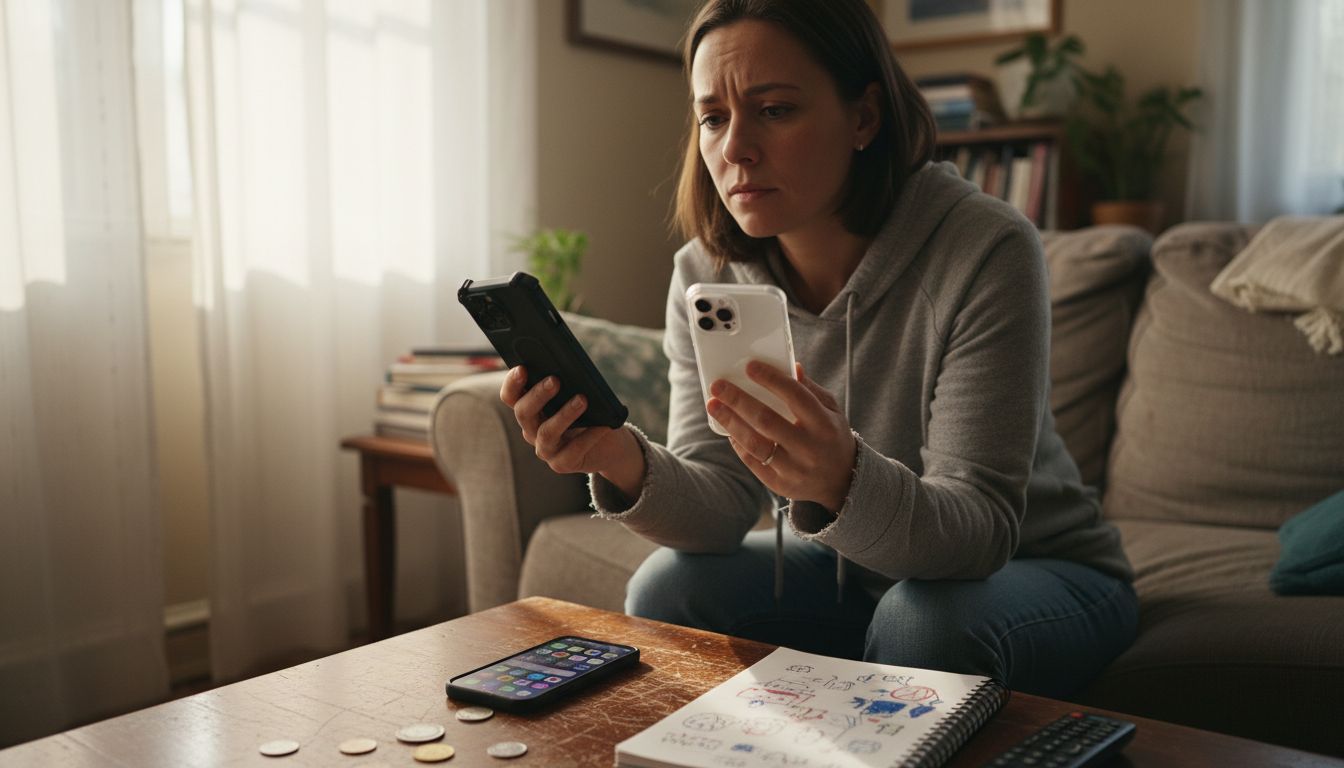
A pro tip: Always check the case’s drop protection rating and look for specific impact test certifications. Not all protection is created equal some cases offer minimal cushioning while others provide military-grade defence. Prioritise cases that clearly demonstrate their protective capabilities through standardised testing rather than vague marketing language.
With a carefully selected protective case, you are now prepared to safeguard your device against potential accidental damage.
Step 3: Apply additional screen protection
Choosing complementary screen protection is crucial for creating a comprehensive defence strategy for your smartphone. Screen protectors act as a critical first line of defence against scratches, cracks, and impact damage that could compromise your device’s functionality.
When selecting a screen protector, consider materials like tempered glass or specialised polymer films that offer robust protection while maintaining touchscreen sensitivity. Understanding the role of mobile screen protectors can help you make an informed decision about which type of protection suits your specific needs.
Pro tip: Always clean your screen thoroughly before application and use a dust-free environment to prevent air bubbles and ensure a smooth, seamless fit. Apply the protector slowly and methodically, starting from one edge and gradually smoothing it across the screen to eliminate potential imperfections.
With your screen now fortified against potential damage, you have significantly enhanced your device’s overall protection strategy.
Step 4: Implement grip-enhancing accessories
Accessories that improve smartphone grip can significantly reduce the risk of accidental drops. These simple yet effective additions provide extra security and control when handling your mobile device in various environments.
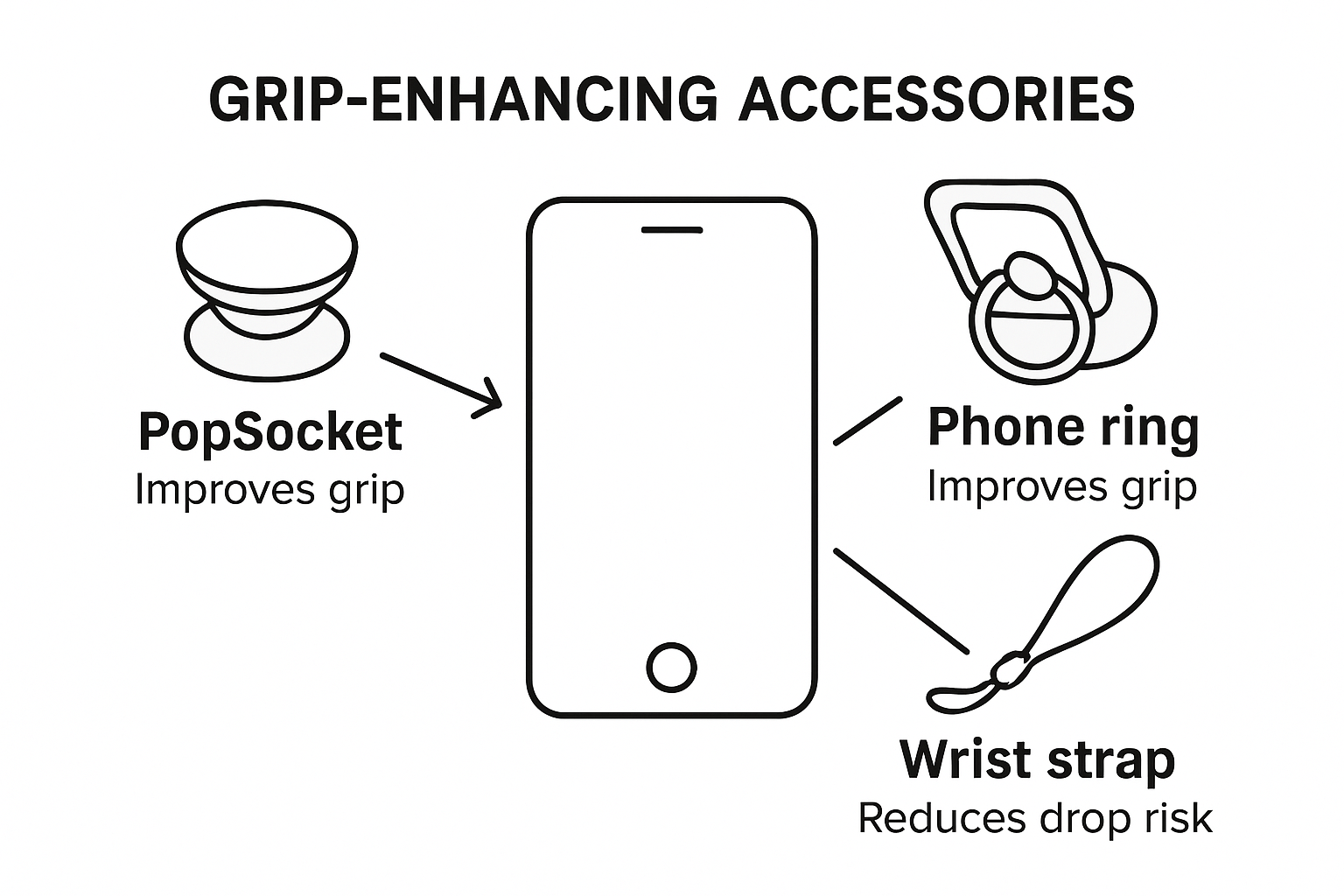
Consider options like PopSockets, phone rings, and wrist straps that attach directly to your device or phone case. Understanding how phone ring holders work can help you select the most suitable grip enhancement for your specific needs. If you prefer a built-in solution, our iPhone Card Slot Case provides a natural grip that makes dropping your phone much less likely. These accessories not only improve handling but also offer additional functionality such as stand support and hands-free viewing.
Pro tip: Choose grip accessories that complement your existing phone case and match your personal style. Ensure the attachment method is secure and compatible with wireless charging if that is a feature you regularly use. Test the accessory in different scenarios to confirm it provides the stability and comfort you require.
With enhanced grip and reduced drop risk, you have now implemented a comprehensive approach to protecting your valuable mobile device.
Step 5: Test your phone’s drop protection
Independent drop-test certifications are crucial for verifying the genuine protective capabilities of your phone case. These standardised assessments provide scientific evidence of how well your device can withstand accidental impacts and falls.
Conduct systematic drop tests by carefully simulating real world scenarios. Begin with moderate height drops onto different surfaces such as carpeted floors, hardwood, and tiles. Selecting durable phone cases becomes more meaningful when you understand how different materials and designs respond to impact.
Pro tip: Pay attention to your phone’s response after each test. Look for signs of stress such as micro cracks in the screen protector, case deformation, or compromised protective layers. Remember that no single test guarantees absolute protection but systematic evaluation can significantly improve your understanding of your device’s resilience.
By rigorously testing your phone’s drop protection, you have taken a proactive approach to maintaining your device’s longevity and functionality.
Protect Your Phone with Confidence from Everyday Drops
Accidental drops can cause costly damage yet you can reduce this risk by choosing the right protection tailored to your lifestyle. Whether you are looking for rugged impact resistance or sleek everyday defence, StudioShake offers a wide selection of cases designed to meet your specific drop protection needs and complement your personal style.

Explore our iPhone Collection for expertly crafted cases that combine military-grade protection with slim profiles. Pair your case with innovative accessories from our MagSafe range to enhance grip and functionality without sacrificing safety. Don’t wait until it is too late protects your device now. Visit StudioShake to find your perfect phone protection solution today and keep your device safe in every moment.
Frequently Asked Questions
How can I assess my phone’s drop risk based on my lifestyle?
To assess your phone’s drop risk, evaluate your daily activities and identify situations where you may accidentally drop your device. Consider making a list of the top three scenarios that pose the highest risk, such as exercising or juggling multiple tasks as a parent.
What features should I look for in a protective phone case?
When selecting a protective phone case, prioritise features such as shock absorption, material quality, and independent drop-test certifications. Look for cases that specifically mention military-grade protection or have been tested for impact resistance to ensure maximum safety for your device.
Why is using a screen protector important for my phone?
Using a screen protector is crucial as it serves as a primary defence against scratches and cracks from accidental drops. Choose materials like tempered glass or specialised polymer films to maintain touchscreen sensitivity while enhancing durability, thus reducing potential damage by up to 90% in some scenarios.
What accessories can improve my phone’s grip?
Grip-enhancing accessories such as PopSockets, phone rings, and wrist straps can significantly reduce accidental drops. Select an accessory that fits your lifestyle and ensure it is securely attached to maintain control over your device while using it.
How can I test my phone’s drop protection effectively?
To test your phone’s drop protection, conduct systematic drop tests from various heights onto different surfaces, such as carpet and tile. Carefully observe the phone’s condition after each drop to identify any signs of damage, ensuring you know the limits of your device’s resilience. This same level of durability is built into our iPad Smart Case, ensuring your tablet survives the same daily hazards as your phone.