

Complete Guide to Phone Cases for Kids
More than half of british families now provide smartphones to children before age twelve. With tech taking centre stage in young lives, keeping devices safe from cracks or spills is a growing concern. The right phone case for kids does much more than look colourful or fun. Smart choices help extend device life, protect from accidents, and even teach children responsibility with their digital tools. This guide explains what british parents should know to safeguard both tech and children’s habits.
Table of Contents
- Role Of Phone Cases For Kids Explained
- Types Of Children’s Phone Cases Available
- Key Safety And Protective Features
- Risks And Common Mistakes To Avoid
- Cost Considerations And Practical Tips
Importance of Phone Cases for Kids
| Key Point | Key Details |
|---|---|
| Protection Beyond Aesthetics | Phone cases for children not only protect devices from damage but also promote responsible handling and digital engagement. |
| Types of Cases Available | Various case types cater to children’s needs, balancing protection with appealing designs, from rugged to themed options. |
| Selecting the Right Case | Parents should focus on material quality, ergonomic design, and drop-test certifications when choosing protective cases. |
| Cost vs. Value | While prices range significantly, investing in quality cases can prevent costly device repairs, making durability a priority. |
Role of Phone Cases for Kids Explained
Protecting mobile devices has become increasingly important in an era where children are exposed to technology from a very young age. Phone cases for kids serve multiple critical functions beyond simple aesthetic appeal - they represent a practical solution for preserving expensive technological investments while adapting to children’s unique interaction patterns with digital devices.
Research from King’s College London highlights the complex relationship children have with smartphones, suggesting that device protection is not just about physical preservation but also about managing digital engagement. Phone cases designed specifically for children offer robust protection against accidental drops, impacts, and daily wear and tear that inevitably occur with younger users who might not handle devices as carefully as adults.
The role of phone cases for children extends beyond physical protection. These specialised accessories help children learn responsibility by providing a tangible barrier that encourages careful device handling. Durable phone case features can include shock-absorbing materials, raised edges to protect screen surfaces, and kid-friendly designs that make devices less slippery and easier to grip. By creating a protective environment, parents can mitigate potential damage while teaching important lessons about device care and digital etiquette.
Key considerations for selecting appropriate phone cases for children include:
- Shock absorption capabilities
- Lightweight design
- Screen protection with raised edges
- Kid-friendly colours and patterns
- Ease of cleaning and maintenance
Ultimately, phone cases for kids represent a smart investment in both device longevity and child development, bridging the gap between technological access and responsible usage.
Types of Children’s Phone Cases Available
When selecting phone cases for children, parents have a variety of options that combine protection, functionality, and engaging designs. Smartphone accessory manufacturers have developed multiple case types specifically tailored to young users’ unique needs and preferences.
Protective Cases represent the most fundamental category, offering robust defence against accidental drops and impacts. These cases typically feature shock-absorbing materials like silicone, rubber, or hybrid composites that cushion devices during inevitable bumps and falls. Phone case types for families include gel/TPU cases, which provide flexible protection, and hybrid cases that combine hard outer shells with softer inner linings for maximum impact resistance.
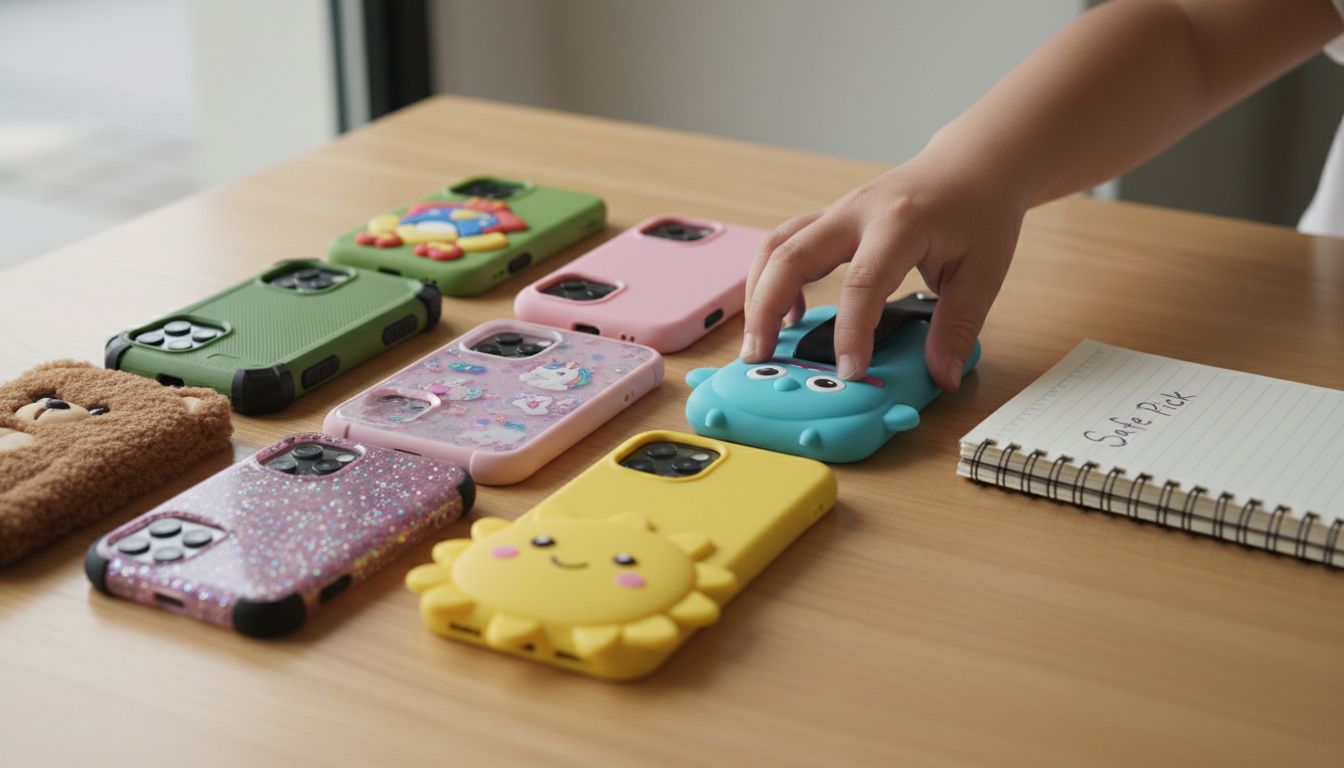
Beyond pure protection, modern children’s phone cases also emphasise aesthetic appeal and personalisation. Manufacturers now create cases with vibrant colours, cartoon characters, and playful designs that appeal directly to younger users. Some specialised cases include additional features like built-in kickstands, card holders, or integrated screen protectors, transforming simple protective accessories into multifunctional digital companions.
Key types of children’s phone cases include:
- Silicone/Rubber Cases: Soft, flexible, excellent shock absorption
- Gel/TPU Cases: Lightweight, transparent, good impact protection
- Hybrid Cases: Combination of hard and soft materials
- Rugged Cases: Extra-heavy duty protection for accident-prone environments
- Wallet Cases: Combine device protection with storage for cards or small items
- Themed Cases: Feature child-friendly designs and characters
Choosing the right phone case involves balancing protection, durability, and a child’s individual preferences, ensuring both device safety and user satisfaction.
Key Safety and Protective Features
Ensuring the safety of mobile devices for children requires a comprehensive approach to protective design. Smartphone case manufacturers have developed advanced protective technologies that go beyond simple impact resistance, creating sophisticated solutions tailored to children’s unique interactions with digital devices.
Impact Absorption remains the primary safety feature for children’s phone cases. Advanced materials like gel/TPU and hybrid composites are engineered to distribute and dissipate kinetic energy from drops and impacts. These innovative materials work by creating multiple layers of protection: soft inner linings that cushion initial shock, combined with harder outer shells that prevent direct damage to the device’s critical components. Protective case designs now incorporate intricate shock-absorbing geometries that can reduce impact force by up to 70% during accidental drops.
Beyond physical protection, modern phone cases for children also address ergonomic safety considerations. Raised screen edges prevent direct surface contact when the device is placed face-down, while textured gripping surfaces reduce the likelihood of accidental slips. Some specialised cases include additional safety features like:
- Non-toxic material certifications
- Antimicrobial surface treatments
- Integrated screen protectors
- Lanyard attachment points
- Reinforced corner protection
- Drop-tested durability ratings
Parents should prioritise cases that not only protect the device but also support safe handling, creating a holistic approach to children’s digital interactions that balances technological access with responsible usage.
Risks and Common Mistakes to Avoid
Navigation of digital device management for children requires careful consideration of potential risks and common parental missteps. Research from King’s College London highlights the critical importance of understanding smartphone interactions and potential developmental implications for young users.
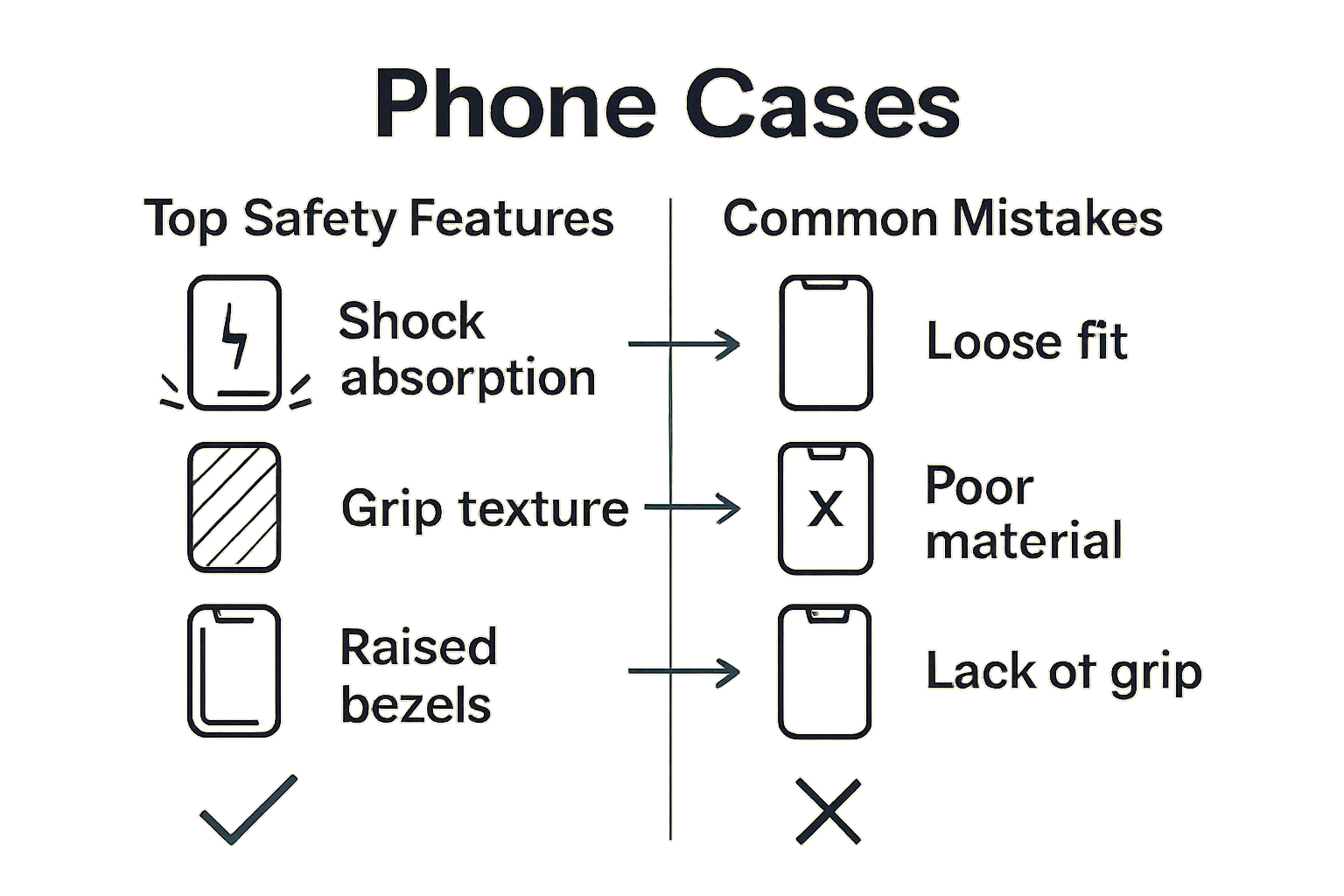
Overprotection and Underprotection represent two primary risks parents frequently encounter. Some parents mistakenly select cases that are either too rigid, potentially limiting device functionality, or too flimsy, offering minimal protection against accidental drops and impacts. Smartphone case strategies suggest finding a balanced approach that provides robust protection without compromising device usability.
Common mistakes parents should avoid include:
- Neglecting case material quality
- Choosing cases without proper drop-test certifications
- Ignoring ergonomic design considerations
- Selecting cases that restrict device functionality
- Overlooking potential skin irritation from materials
- Failing to replace cases after significant impacts
Additionally, parents must be mindful of potential psychological impacts. Excessive device restriction or overly permissive device access can both negatively influence a child’s digital literacy and emotional development. The key lies in creating a balanced approach that promotes responsible technology use while maintaining appropriate safety boundaries.
Cost Considerations and Practical Tips
Investing in the right phone case for children involves balancing protection, durability, and budget. Phone accessory manufacturers offer a range of options that cater to different financial constraints while maintaining essential protective features.
Price Ranges for children’s phone cases typically vary from budget-friendly options around £10 to more advanced protective designs costing up to £50. Parents should consider the long-term value rather than focusing solely on initial cost. Smartphone case selections suggest investing in quality cases that offer comprehensive protection, potentially saving money on device repairs or replacements.
Practical budgeting tips for parents include:
- Compare multiple case options across different price points
- Look for multipurpose cases with additional features
- Consider purchasing cases with manufacturer warranties
- Check for bulk purchase discounts
- Evaluate the device’s replacement cost against case investment
- Research user reviews for real-world durability insights
Ultimately, the most cost-effective phone case is one that provides reliable protection, matches the child’s usage patterns, and minimises the risk of expensive device damage. Smart purchasing involves understanding the balance between initial investment and long-term device safety.
Keep Your Child’s Device Safe with the Perfect Phone Case
Protecting your child’s mobile device is essential to avoid costly damages and teach responsible use. The article highlights key challenges such as shock absorption, raised edges for screen protection, and kid-friendly designs that help prevent accidental drops and improve grip. At StudioShake, we understand these concerns and offer a carefully curated selection designed specifically to meet the needs of young users without compromising style or functionality.
Explore our Home page – StudioShake to discover versatile phone cases that combine durability with vibrant colours and patterns children love.

Choose from our extensive collection today and give your child the gift of both protection and responsible device use. Act now to secure a case that supports digital safety and peace of mind. Visit StudioShake and protect your child’s device with confidence.
Frequently Asked Questions
What are the main features to look for in a phone case for kids?
When selecting a phone case for children, parents should consider features such as shock absorption capabilities, lightweight design, screen protection with raised edges, kid-friendly colours and patterns, and ease of cleaning and maintenance.
How do phone cases help in teaching children responsibility?
Phone cases designed specifically for kids provide a protective barrier that encourages careful handling of devices, helping children learn responsibility by mitigating potential damage while interacting with technology.
What are the different types of phone cases available for children?
Key types of children’s phone cases include silicone/rubber cases, gel/TPU cases, hybrid cases, rugged cases, wallet cases, and themed cases. Each type offers different levels of protection and aesthetic appeal suited to young users.
What common mistakes should parents avoid when choosing phone cases for their children?
Parents should avoid mistakes such as neglecting case material quality, choosing cases without proper drop-test certifications, ignoring ergonomic design, selecting cases that restrict functionality, and overlooking potential skin irritation from materials.
Recommended
- Why Custom Phone Cases: Complete Guide for UK Parents – StudioShake
- 7 Smart Tips for Choosing Phone Cases for Families in the UK – StudioShake
- 7 Top Phone Case Materials Every Parent Should Know – StudioShake
- Phone Cases: Everything You Need to Know – StudioShake
- Why Age-Appropriate Toys Matter: Complete Guide – Learning Bugs