

Importance of Mobile Screen Protectors for UK Families
Every british family knows the frustration of seeing scratches or cracks appear on a smartphone screen. With parents and children relying on mobile devices daily, even a minor slip can lead to costly repairs. A single screen replacement can set you back over £300, while a simple screen protector offers affordable peace of mind. Discover how this small accessory gives british households a practical way to keep devices protected and avoid expensive surprises.
Table of Contents
- What Are Mobile Screen Protectors?
- Types of Screen Protectors Explained
- How Screen Protectors Shield Your Device
- Costs and Value: Investing in Protection
- Common Pitfalls When Choosing Protectors
Key Takeaways
| Point | Details |
|---|---|
| Importance of Screen Protectors | Mobile screen protectors provide essential defence against scratches and impacts, prolonging the lifespan of devices. |
| Types of Protectors | Options include Tempered Glass for maximum protection, Plastic Film for cost-effectiveness, and Hybrid for balanced features. |
| Financial Benefits | Investing in screen protectors can save families significant amounts on repairs, with costs ranging from £5 to £30 versus potential screen replacement expenses of £60 to £380. |
| Selection Considerations | Families should be mindful of installation challenges and performance limitations to ensure optimal screen preservation. |
What Are Mobile Screen Protectors?
Mobile screen protectors are thin, transparent layers of protective material designed to shield smartphone displays from potential damage. These protective accessories provide a crucial barrier against everyday wear, scratches, and minor impacts that could compromise your device’s screen integrity.
Typically crafted from tempered glass or specialised polymer materials, screen protectors are engineered to absorb shock and prevent direct damage to the original smartphone screen. They come in various thicknesses and types, each offering different levels of protection. Some key features include:
- Scratch resistance
- Impact absorption
- Anti-glare properties
- Fingerprint and smudge reduction
For UK families managing multiple devices and dealing with active children, screen protectors represent an affordable insurance policy against costly screen repairs. Smartphone screens are increasingly sophisticated and expensive, making these protective accessories a smart investment. A high-quality screen protector can prevent microscopic scratches that accumulate over time and potentially save hundreds of pounds in potential repair or replacement costs.
Understanding the nuanced protection offered by different types of device screen protectors helps families make informed choices about preserving their valuable electronic devices. Whether protecting a child’s first smartphone or safeguarding a parent’s work device, screen protectors offer a practical solution to maintaining device longevity and performance.
Types of Screen Protectors Explained
Screen protectors come in several distinct varieties, each offering unique protection levels for UK families seeking to safeguard their mobile devices. The most advanced options utilise special 5-layer technology for resilient protection, ensuring comprehensive device defence against daily wear and potential damage.
The primary types of screen protectors include:
- Tempered Glass Protectors
- Highest impact resistance
- Maintains original screen clarity
- Closest to original screen feel
- Offers superior drop protection
- Plastic Film Protectors
- Thinner and more flexible
- More affordable option
- Easier to apply
- Less robust against heavy impacts
- Hybrid Screen Protectors
- Combines glass and film technologies
- Provides enhanced scratch and impact protection
- Suitable for more demanding environments
For families with active children or individuals working in challenging environments, understanding the role of screen protectors becomes crucial. Each protector type addresses different protective needs, allowing consumers to select the most appropriate solution for their specific lifestyle and device usage patterns.
Ultimately, the choice depends on individual requirements. Professional settings might prioritise tempered glass for maximum protection, while budget-conscious families could opt for reliable plastic film alternatives. The key is matching the screen protector’s capabilities with the device’s potential exposure to potential damage.
How Screen Protectors Shield Your Device
Screen protectors function as a critical defensive layer for mobile devices, providing an essential shield against potential damage. Screen protectors create a sacrificial layer that strategically absorbs impacts and prevents direct contact between smartphone screens and harmful surfaces, effectively reducing the risk of permanent screen damage.
The protective mechanism works through several sophisticated techniques:
- Force Distribution: Absorbing and spreading impact energy across a wider surface area
- Scratch Prevention: Creating a barrier against microscopic abrasions
- Impact Absorption: Minimising direct stress on the original device screen
- Shock Mitigation: Reducing potential damage from accidental drops
For UK families managing multiple devices and active lifestyles, understanding comprehensive phone screen protection strategies becomes crucial. The protective layer acts like a specialised armour, intercepting potential damage before it reaches the expensive smartphone display. This approach is particularly valuable for parents managing children’s devices or professionals relying on their smartphones for critical communication.
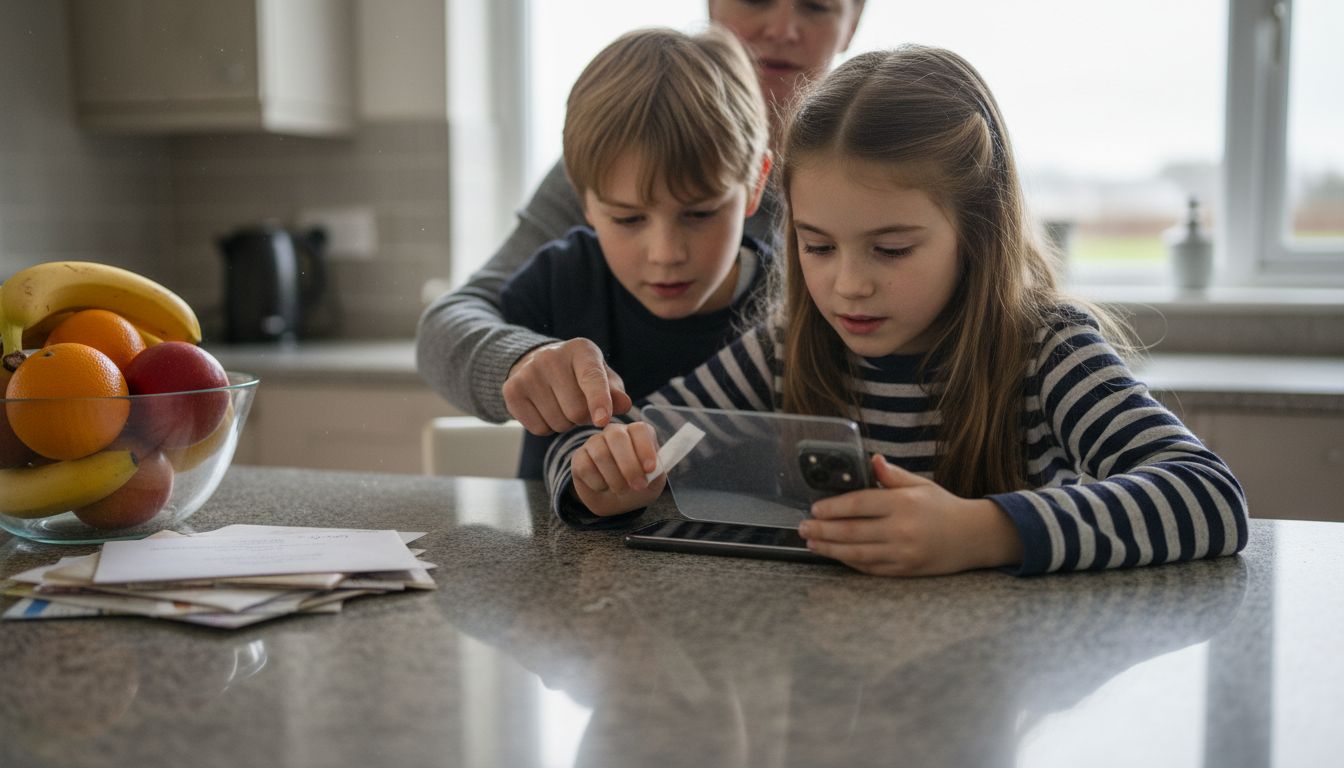
Whether facing unexpected drops, sharp surface encounters, or daily wear and tear, screen protectors offer a cost-effective insurance policy. By investing in quality protection, families can significantly extend their device’s lifespan, prevent costly repairs, and maintain the pristine condition of their valuable technological investments. The small upfront cost of a screen protector can potentially save hundreds of pounds in screen replacement expenses.
Costs and Value: Investing in Protection
Screen protector investments represent a smart financial strategy for UK families looking to preserve their valuable mobile devices. Screen protectors provide a remarkably cost-effective prevention method, typically ranging from £5 to £30, compared to potentially expensive screen replacements that can cost between £60 and £380.
The financial benefits of screen protectors extend far beyond their initial purchase price:
- Immediate Cost Savings: Prevents expensive screen replacement
- Long-Term Device Protection: Maintains smartphone resale value
- Repair Cost Avoidance: Eliminates potential repair expenses
- Insurance Alternative: Provides affordable device protection
For parents managing multiple devices and budgets, understanding the economic logic of screen protection becomes crucial. A single screen replacement could cost six to ten times the price of a quality screen protector, making prevention an intelligent financial decision for budget-conscious families.
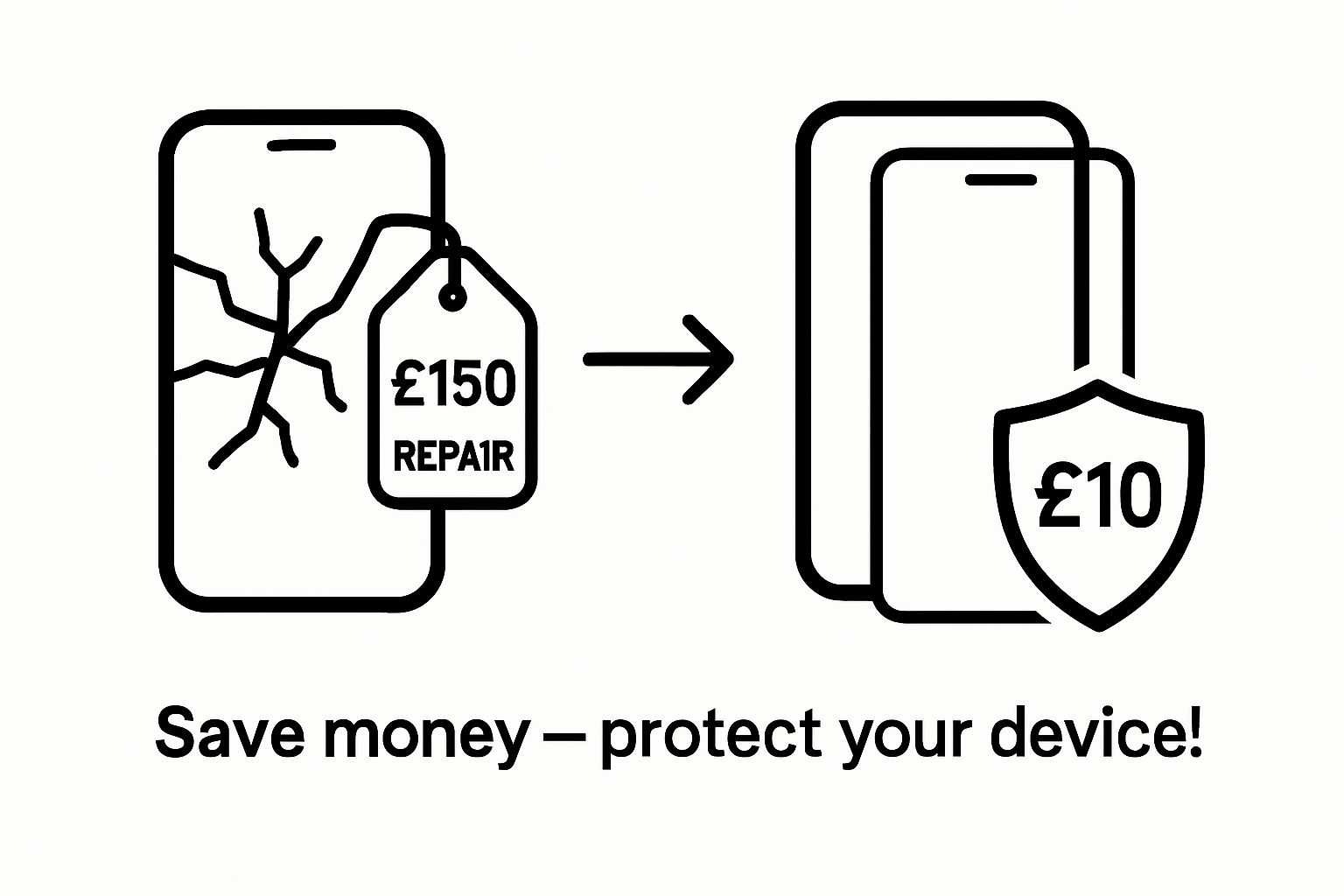
Beyond pure monetary considerations, screen protectors offer peace of mind. They represent a small investment that shields expensive technological assets from unexpected damage, ensuring that smartphones remain functional and aesthetically pleasing. For UK families navigating the complex world of digital device management, this modest upfront expense can translate into substantial long-term financial and practical benefits.
Common Pitfalls When Choosing Protectors
Screen protector selection requires careful consideration to avoid potential issues that could compromise device protection. Screen protectors can present several nuanced challenges, including slight impacts on touch sensitivity and potential application complexities, which UK families should understand before making a purchase.
Common pitfalls to be aware of include:
-
Application Challenges
- Air bubble formation during installation
- Difficulty achieving perfect alignment
- Potential fingerprint or dust trap during application
-
Performance Limitations
- Marginal reduction in screen clarity
- Potential slight decrease in touch responsiveness
- Limited protection against existing screen damage
Comprehensive mobile device protection strategies demand thorough research and careful selection. Families should consider factors like material quality, application technique, and specific device compatibility to minimise potential installation errors and performance issues.
Ultimately, understanding these potential pitfalls allows consumers to make more informed decisions. By selecting high-quality screen protectors, carefully following installation instructions, and managing expectations about protection levels, UK families can effectively mitigate risks and ensure optimal smartphone screen preservation. The key is approaching screen protection as a strategic investment rather than a simple accessory purchase.
Protect What Matters Most with StudioShake Screen Protectors
Everyday life in the UK presents real risks to your mobile devices, especially for families juggling multiple gadgets and active routines. The article highlights critical concerns such as preventing costly screen repairs, avoiding scratches, and safeguarding against accidental drops. By choosing the right screen protector type—be it tempered glass or plastic film—you ensure your smartphone remains clear, responsive, and fully protected from daily wear and tear.
Discover our carefully curated collection at Screen Protectors – StudioShake designed to meet diverse protection needs and budgets.
Take control of your device’s safety today with StudioShake. Visit our main site at https://studioshake.co.uk and explore Our Bestsellers – StudioShake for top-rated protective accessories. Protecting your family’s devices is an investment that pays off by avoiding expensive repairs and preserving device longevity. Act now to secure your smartphone screen with a high-quality protector tailored exactly to your lifestyle demands.
Frequently Asked Questions
What are mobile screen protectors and why are they important?
Mobile screen protectors are thin, transparent layers designed to protect smartphone displays from scratches, minor impacts, and daily wear. They act as a barrier against damage, making them a smart investment for preserving device integrity.
What types of screen protectors are available?
The primary types of screen protectors include tempered glass protectors, which offer high impact resistance; plastic film protectors, which are thinner and more flexible; and hybrid protectors that combine the features of both glass and film for enhanced protection.
How do screen protectors shield my device from damage?
Screen protectors create a sacrificial layer that absorbs impacts and prevents direct contact between harmful surfaces and the smartphone screen. They distribute force, prevent scratches, and reduce stress from accidental drops, thus extending the device’s lifespan.
Are there any common issues when applying screen protectors?
Yes, common issues include air bubble formation, difficulty in achieving proper alignment during installation, and a slight reduction in touch sensitivity or screen clarity. It’s essential to follow installation instructions carefully to minimise these challenges.
Recommended
- Complete Guide to Mobile Screen Protectors – StudioShake
- 7 Types of Device Screen Protectors All Parents Should Know – StudioShake
- Mobile Gadget Protection Guide for Parents and Adults UK – StudioShake
- Complete Guide to the Role of Screen Protectors – StudioShake
- Comment limiter les écrans : Guide pratique pour les mamans – The Zoofamily