

Shockproof Design: Protecting Your Mobile Devices
Every busy British parent knows the risks smartphones face during family outings, from sudden drops at the playground to accidental bumps in bustling London cafes. With over 60 percent of parents reporting device accidents each year, reliable protection is more important than ever. Understanding the science behind shockproof design technology helps you choose cases designed to keep your devices safe through every daily adventure, no matter how active your London lifestyle becomes.
Table of Contents
- What Is Shockproof Design Technology?
- Types of Shockproof Features in Phone Cases
- How Shockproof Materials Prevent Damage
- Testing and Standards for Shockproof Protection
- Common Mistakes When Choosing Shockproof Cases
Key Takeaways
| Point | Details |
|---|---|
| Understanding Shockproof Design | Shockproof design technology focuses on materials and structural reinforcement to protect devices from physical impacts, ensuring internal components remain safe. |
| Features of Shockproof Cases | Optimal phone cases utilise multilayered constructions and specialised materials that provide comprehensive protection against drops and impacts. |
| Importance of Testing Standards | Rigorous testing standards, including drop tests and material stress checks, are crucial for ensuring the reliability of shockproof cases. |
| Common Consumer Mistakes | Many consumers overlook certifications and proper fit, which can jeopardise the protective effectiveness of cases for mobile devices. |
What Is Shockproof Design Technology?
Shockproof design technology represents an advanced engineering approach focused on creating products capable of withstanding unexpected physical impacts and sudden forces. At its core, this technology aims to protect electronic devices from accidental damage through strategic material selection and structural reinforcement.
The fundamental principle behind shockproof design involves understanding complex impact dynamics by analysing potential stress points and developing materials that can absorb and dissipate kinetic energy. Engineers carefully select composite materials like high-density polymers, silicone-based compounds, and advanced synthetic rubbers that can flex and compress during impact without permanently deforming or transferring destructive forces to delicate internal components.
Specifically for mobile devices, shockproof design incorporates multiple protective strategies. These include cushioned inner layers that create air pockets to absorb shock, reinforced corner structures that distribute impact energy, and strategically placed shock-absorbing materials around vulnerable electronic sections. The goal is not just preventing external damage, but ensuring the internal circuitry and sensitive components remain uncompromised during unexpected drops or collisions.
Practical Tip: When selecting a shockproof case, always check its drop-test ratings and look for multilayered protection designs that cover all device corners and edges.
Types of Shockproof Features in Phone Cases
Phone case manufacturers have developed sophisticated protective design strategies to safeguard mobile devices against accidental impacts and everyday wear. These advanced protective features go far beyond simple plastic covers, incorporating intelligent engineering principles that actively defend electronic devices from potential damage.

The primary shockproof features typically include multilayered construction techniques. These designs often combine hard polycarbonate outer shells with soft thermoplastic polyurethane (TPU) inner linings, creating a dynamic protective system. Reinforced corner structures play a crucial role, as they are engineered to absorb and redistribute kinetic energy during drops. Specific design elements like raised bezels protect vulnerable screen and camera lens areas, ensuring that critical device components remain unscathed during accidental falls.
Additional protective technologies include specialised shock-absorbing materials such as silicone-based compounds and advanced polymer blends. These materials possess unique deformation characteristics that allow them to compress and flex during impact, effectively dissipating destructive forces before they can reach sensitive internal components. Some advanced cases even incorporate air pocket technologies or honeycomb-structured inner linings that create additional cushioning zones, further enhancing the device’s resilience against unexpected physical stress.
Practical Tip: When comparing shockproof cases, examine the multilayered construction and look for specific drop-test certification ratings to ensure comprehensive device protection.
How Shockproof Materials Prevent Damage
Materials scientists have developed sophisticated technologies to protect electronic devices from physical impacts through innovative shock absorption techniques. These advanced materials are engineered to respond dynamically to unexpected forces, transforming how we protect our valuable mobile devices from potential damage during everyday use.
Thermoplastic elastomers (TPE) and ethylene-vinyl acetate (EVA) foam represent cutting-edge solutions in shockproof design. These remarkable materials possess unique molecular structures that allow them to compress and redistribute kinetic energy upon impact. When a device experiences a drop or sudden collision, these materials temporarily deform, creating a cushioning effect that dramatically reduces the force transmitted to delicate internal components. The elasticity enables them to absorb significant energy while maintaining their structural integrity, essentially acting as a protective shield for the most vulnerable parts of mobile devices.
Some of the most innovative shockproof materials now incorporate smart polymer technologies that can change their properties in response to stress. These advanced composites can momentarily stiffen during impact, creating additional protection zones that actively respond to physical threats. The self-healing characteristics of these materials mean they can return to their original shape after absorbing shock, providing multiple layers of protection that traditional rigid materials cannot match.
Practical Tip: When selecting a protective case, prioritise materials that demonstrate multiple energy-dissipation characteristics rather than relying on a single protective mechanism.
Here is a summary of common shockproof case materials and how they protect devices:
| Material Type | Shock Absorption Mechanism | Typical Applications |
|---|---|---|
| Thermoplastic Elastomers (TPE) | Compresses and rebounds on impact | High-end phone cases |
| Ethylene-Vinyl Acetate (EVA) | Forms cushioning effect during collision | Sports and rugged cases |
| Silicone-Based Compounds | Flexes to dissipate forces | Daily-use protective covers |
| Smart Polymer Technologies | Stiffens and self-heals under stress | Premium shockproof designs |
Testing and Standards for Shockproof Protection
Protective device technologies are rigorously evaluated through comprehensive certification standards that ensure consumers receive reliable and safe mobile phone protection. These standards represent a critical framework for assessing the performance and durability of shockproof materials and designs across various impact scenarios.
The testing protocols for shockproof protection involve multiple sophisticated evaluation methods. Drop tests simulate real-world scenarios by releasing devices from standardised heights onto different surfaces, measuring the impact resistance and structural integrity of protective cases. Vibration testing assesses the long-term durability of materials, ensuring they can withstand continuous mechanical stress without compromising their protective capabilities. Material stress assessments examine the molecular-level changes in polymers and composites during repeated impact events, providing insights into how different materials respond to physical forces.
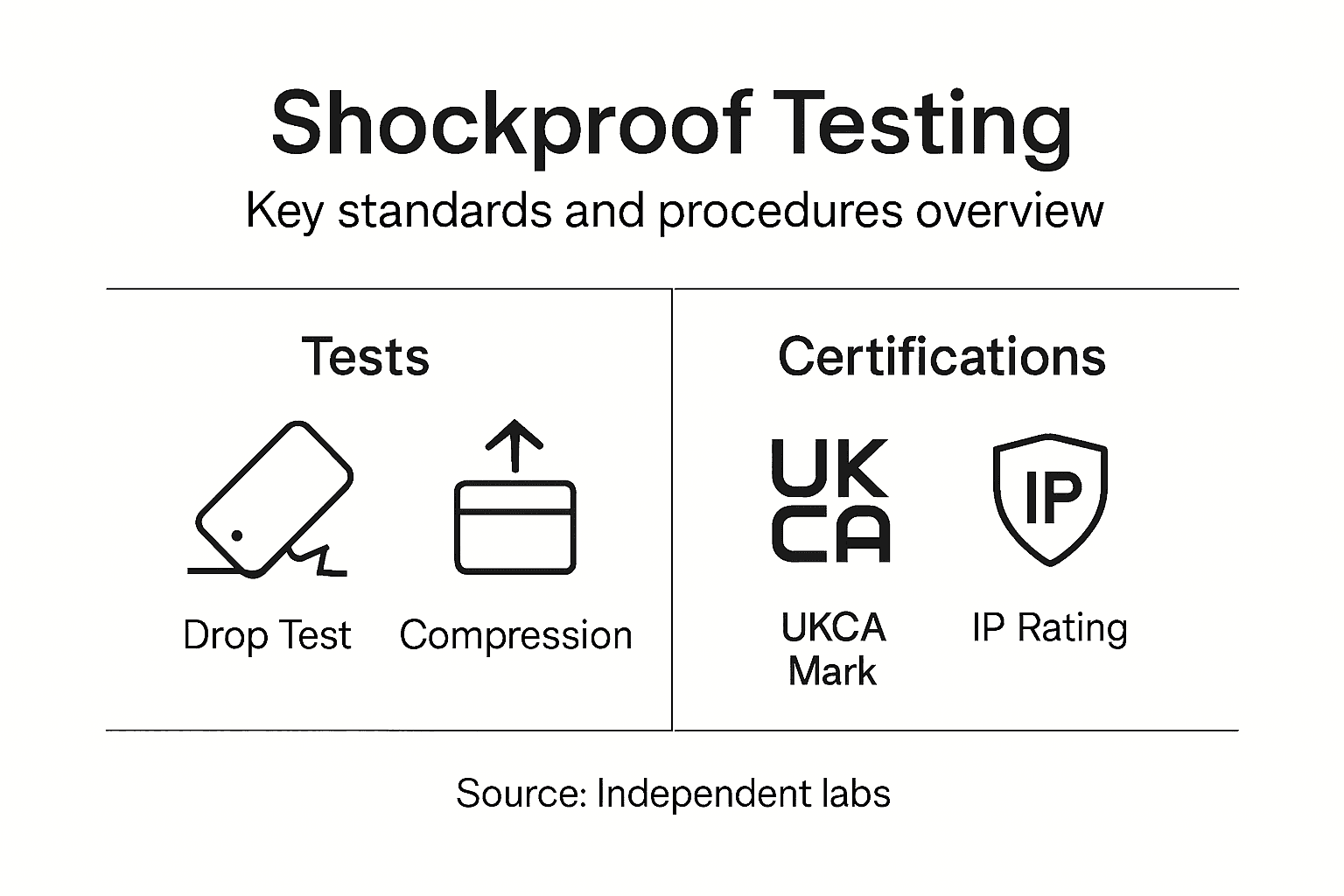
Accredited testing bodies in the United Kingdom collaborate closely with health and safety regulators to develop comprehensive evaluation frameworks. These organisations establish precise measurement criteria that consider factors such as impact absorption, energy distribution, and structural resilience. The goal is not just to create protective solutions, but to provide consumers with scientifically validated assurance that their valuable electronic devices will remain safe under typical and extraordinary usage conditions.
Practical Tip: When purchasing a protective case, always request documentation showing independent testing results and specific drop-test ratings to ensure genuine shockproof protection.
Below is a comparison of key impact testing methods for shockproof protection:
| Test Type | Main Purpose | Example Criteria |
|---|---|---|
| Drop Test | Evaluates impact resistance | Height, surface, device angle |
| Vibration Test | Checks durability under movement | Frequency, duration, stress level |
| Material Stress | Assesses polymer deformation | Force applied, recovery rate |
Common Mistakes When Choosing Shockproof Cases
Most consumers make critical errors when selecting protective cases by prioritising aesthetics over genuine protection strategies. Choosing a case based solely on colour, design, or price without thoroughly evaluating its protective capabilities can leave mobile devices vulnerable to potential damage.
A significant mistake involves neglecting proper fit and comprehensive coverage. Many individuals select cases that appear protective but fail to provide adequate protection for vulnerable areas like device corners, screen edges, and camera lenses. Overly bulky cases can reduce device usability, while ultra-thin cases might compromise structural integrity. The key is finding a balanced design that offers robust protection without sacrificing functionality or comfort during everyday use.
Another common pitfall is ignoring manufacturer certifications and independent testing standards. UK consumers should seek cases that demonstrate compliance with established safety regulations and have documented drop-test ratings. Skipping this crucial verification step means potentially investing in a case that provides false security, leaving expensive electronic devices exposed to potential impact damage. Understanding the specific testing protocols and material composition becomes essential in making an informed protective case selection.
Practical Tip: Always request and review independent testing documentation before purchasing a shockproof case, focusing on drop-test ratings and material stress assessment results.
Protect Your Device with Trusted Shockproof Technology Today
The risks of accidental drops and impacts are unavoidable in everyday life. As highlighted in the article “Shockproof Design: Protecting Your Mobile Devices”, choosing a case that incorporates multilayered construction and advanced shock-absorbing materials like thermoplastic elastomers is essential. At StudioShake, we understand your need for real protection that goes beyond superficial design. Our carefully curated range covers all critical areas such as reinforced corners and raised bezels to keep your mobile devices safe when it matters most.

Discover the difference genuine shockproof design makes by browsing our protective phone cases and mobile accessories collection at StudioShake. Do not settle for less than certified durability and tested materials. Visit StudioShake now and equip yourself with proven solutions backed by expert knowledge on impact resistance. Protect your devices with confidence and enjoy peace of mind every day.
Frequently Asked Questions
What is shockproof design technology?
Shockproof design technology focuses on creating products that can withstand unexpected impacts and forces, aiming to protect electronic devices from accidental damage through strategic material selection and structural reinforcement.
What materials are commonly used in shockproof phone cases?
Common shockproof materials include thermoplastic elastomers (TPE), ethylene-vinyl acetate (EVA) foam, silicone-based compounds, and smart polymer technologies. These materials are engineered to absorb and dissipate impact forces, protecting delicate internal components of mobile devices.
How can I tell if a phone case is genuinely shockproof?
To assess a phone case’s shockproof capabilities, check for independent testing certifications, especially drop-test ratings, which indicate its performance against impacts. A multilayered construction and reinforced corners are also signs of good shockproof protection.
What are common mistakes to avoid when choosing a shockproof case?
When selecting a shockproof case, avoid prioritising aesthetics over protection, neglecting proper fit and coverage for vulnerable areas, and ignoring manufacturer certifications and testing standards, as this can leave your device unprotected.