

Role of Fashion in Mobile Accessories – Impact on Parental Choices
Every London parent knows the struggle of keeping gadgets safe without sacrificing style. Your mobile case needs to weather school runs, workplace meetings, and family outings while still looking sharp on the table at a City café. Mobile accessories now offer more than just protection—they represent your personal style as much as your favourite jacket. With modern designs blending safety, usability, and aesthetics, it’s possible to choose accessories that show who you are and stand up to busy family life.
Table of Contents
- Fashion And Functionality In Mobile Accessories
- Style Variations And Popular Design Trends
- Protective Features For Busy Family Life
- Personalisation And Expression Through Accessories
- Balancing Cost, Safety, And Aesthetic Needs
Key Takeaways
| Point | Details |
|---|---|
| Balancing Functionality and Style | Modern mobile accessories blend aesthetics with protective features, allowing users to express their individuality without compromising on safety. |
| Understanding Trends | Recognise popular design trends, such as minimalist styles and earth tones, to select accessories that fit both personal and professional environments. |
| Evaluating Protective Features | Assess protective features like raised bezels and shock-absorbing materials to ensure accessories meet the needs of a busy family life. |
| Prioritising Needs and Budget | Establish your hierarchy of needs—protection, aesthetics, or affordability—to make intentional choices that align with your lifestyle and budget. |
Fashion and Functionality in Mobile Accessories
Your phone spends more time in your pocket than your wallet does. That makes the accessory you choose far more than a practical decision—it’s a reflection of who you are and how you live. For London parents balancing work meetings with school runs, a mobile accessory needs to do double duty: protect your device from the inevitable tumbles and spills whilst looking polished enough for a client presentation. This is where the tension between style and substance becomes real.
The interesting part? They don’t actually have to be opposing forces. Modern mobile accessories have evolved beyond the purely utilitarian. Research shows that mobile devices serve as extensions of personality and style, blending what experts call “expressive and instrumental roles.” In simpler terms, your phone case isn’t just armour against damage—it’s part of your daily presentation to the world. When you’re juggling emails whilst standing in the Tesco queue, you want an accessory that doesn’t make you cringe when it’s visible on the table. The days of bulky, plasticky protection are genuinely behind us.
What makes this balance achievable today is how accessory design has matured. Modern materials offer genuine protective capabilities without the bulk that defined phone cases ten years ago. You can find accessories featuring premium finishes, thoughtful colour palettes, and clean designs that complement rather than compete with your phone’s appearance. The key is understanding that the brands and manufacturers creating quality mobile accessories now recognise that their customers—people like you—expect both protection and aesthetics. It’s not a compromise anymore. A well-designed case protects your device from drops, scratches, and daily wear whilst maintaining the look you want to present. The integration of safety, usability, and aesthetics is no longer an aspiration—it’s the baseline expectation.
The practical reality for most London parents is that you’re likely buying accessories for more than just yourself. Children’s phones need protection. Tablets used for family video calls need stands. The entire ecosystem around your devices deserves attention. When you’re selecting these accessories, consider what role each one plays in your routine. A commuter-friendly case prioritises slim profiles and grip. A weekend-use accessory might lean more heavily into visual appeal. Home accessories like tablet stands balance visibility with stability. Rather than seeking the perfect accessory for every situation, think about your most frequent use cases and let your choices reflect those priorities.
Pro tip: Start by assessing where your phone spends most of its time—in your handbag, your work bag, or your pocket—then choose an accessory specifically designed for that environment rather than hunting for an all-purpose solution that compromises on both style and protection.
Style Variations and Popular Design Trends
Walk into any London coffee shop and you’ll spot a handful of distinct aesthetic approaches to mobile accessories. Some people favour minimalist designs in neutral tones. Others lean toward bold patterns and vibrant colours. The variation you see isn’t random—it reflects genuine design trends that have shaped the mobile accessory market over recent years. What’s particularly interesting is how these trends evolve. The influence of fashion on mobile device styling fluctuates considerably, with designers and brands continuously reassessing what appeals to their audience. Mobile phones and their accessories have become intermittent fashion statements, meaning they align with broader fashion cycles rather than maintaining constant visual prominence in the style conversation.
For London parents specifically, popular design trends tend to cluster around a few recognisable categories. Clean, minimal cases in black, navy, or charcoal grey remain the safe default—they pair with everything in your wardrobe and don’t distract from professional settings. Conversely, textured finishes like leather, fabric, or matte polymers have gained considerable traction because they offer visual interest without being visually loud. Earth tones—sage green, warm beige, soft terracotta—have become increasingly prevalent, reflecting broader interior design and fashion movements toward natural palettes. Beyond colour, structural details matter: slim profiles with raised bezels, magnetic closure systems for card storage, and ergonomic grip patterns all represent trends that balance style with genuine functionality. The representation of mobile phones as fashion items in mainstream design conversations influences which accessories actually reach the market.
What’s worth understanding is that gender-neutral and gender-inclusive design has fundamentally reshaped how accessories are marketed and manufactured. Rather than pink cases for women and black for men, contemporary design embraces universal colour palettes and silhouettes that work across demographics. This shift reflects how parents approach accessory choices for themselves and their children—they want options that feel personal without being pigeonholed. The integration of fashionable elements with practical design considerations means you’re seeing accessories with genuine storage solutions, compatibility with different phone models, and protective features that aren’t afterthoughts but core design elements. Trends also shift seasonally. Spring might bring lighter colours and brighter accents, whilst autumn gravitates toward richer tones and heavier textures. Winter often sees the resurgence of classic, timeless designs that won’t feel dated by spring.
Understanding these trends helps you make choices that feel current without requiring constant replacement. Rather than chasing every new trend, identify which aesthetic genuinely suits your life and your phone habits. A well-chosen design might feel fresh for two to three years, particularly if you select something that bridges contemporary trends with timeless appeal. The practical intersection of what’s trending and what actually works for your routine matters more than following fashion strictly.
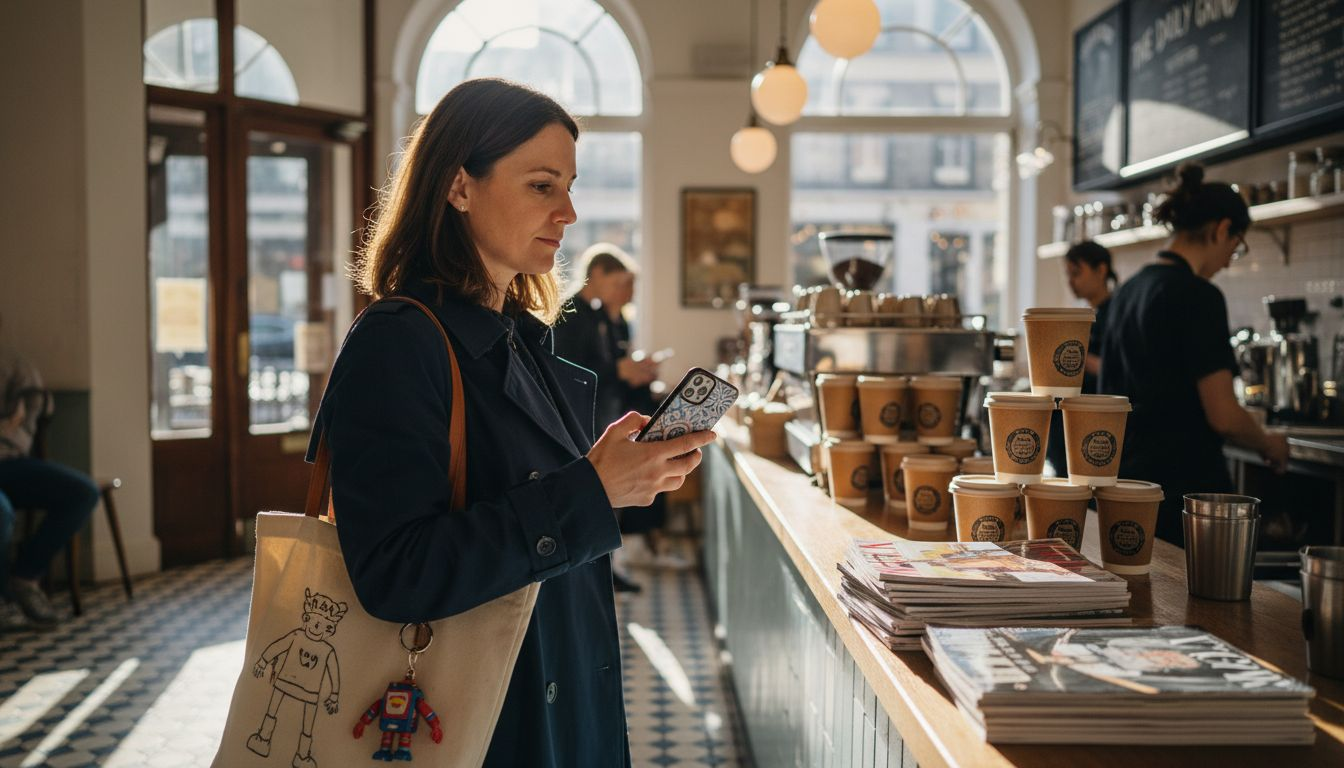
Here’s a concise comparison of popular mobile accessory design trends and their suitability for busy London parents:
| Design Trend | Visual Impact | Practical Benefit | Suitable For |
|---|---|---|---|
| Minimalist Neutral | Understated, professional | Blends with all wardrobes | Work & school settings |
| Textured Finishes | Adds visual interest | Improves grip, feels premium | Active lifestyles |
| Earth Tones | Warm, natural feel | Hides marks, on-trend | Family environments |
| Magnetic Closures | Sleek and modern | Efficient storage of essentials | Commuters, parents |
| Slim Profiles | Subtle elegance | Easy to carry, less bulk | Pocket or bag use |
Pro tip: Choose a neutral base colour that matches your most-worn clothing, then add character through texture or subtle pattern rather than bold colour, ensuring your accessory feels intentionally styled rather than trend-dependent.
Protective Features for Busy Family Life
Your phone doesn’t just sit in a protective case and stay pristine. It gets dropped on kitchen tiles, knocked off pushchair trays, and stuffed into overstuffed handbags alongside half-eaten snack bars and loose change. For London parents managing the chaos of school runs, work commitments, and family activities, the protective features you choose matter enormously. A mobile accessory designed for your actual lifestyle needs to handle real-world impacts without becoming a burden to carry. The difference between an adequate case and one genuinely suited to busy family life comes down to understanding which protective features actually address your daily risks.
When assessing protective capabilities, think beyond just drop protection. Raised bezels protect screen edges when your phone inevitably lands face-down on hard surfaces. Shock-absorbing materials in strategic locations cushion impact zones where damage most commonly occurs. Corner reinforcement addresses the reality that phones usually land on edges, not flat surfaces. Port protection matters if you have young children who enjoy investigating what happens when they poke at charging ports. Textured back surfaces and side grips reduce accidental slips that happen when juggling phone, coffee, and house keys simultaneously. Research emphasises that protective design requires user-centred approaches where durability and practical safety address specific lifestyle needs rather than generic concerns. Your requirements differ significantly from someone working in an office all day.
There’s also the matter of longevity. A protective accessory that deteriorates after six months, becoming cracked or peeling, has failed you regardless of its initial protective quality. Look for accessories featuring reinforced stitching on wraparound designs, premium material composition that resists degradation, and colour stability that doesn’t fade unevenly. Accessories designed specifically for active users incorporate sturdiness as a core consideration rather than an afterthought. This matters particularly if you’re buying the same accessory for multiple family members. You want it to survive the daily demands of school bags, sports activities, and weekend outings without replacing it quarterly. Some parents overlook that protective features also include temperature resistance. Cases that become brittle in winter or sticky in summer compromise protection even if their core materials remain sound.
The practical reality is that your protective accessory choices reflect your actual routine. Someone working from home requires different protection than someone commuting daily. Parents with younger children need accessories that are robust to curious fingers and accidental throws. Teenagers might prioritise designs that feel less “protective” and more stylish. Consider where your phone spends most of its time, what risks are genuinely present, and what protective features address those specific risks rather than hypothetical ones.
Pro tip: Inspect the protective features you actually use within your first week of ownership—drop it from waist height onto a hard floor to confirm impact protection works as expected rather than discovering vulnerabilities months later.
Personalisation and Expression Through Accessories
Your phone case tells a story about who you are. Some people choose understated elegance. Others go bold with colour or pattern. That choice isn’t trivial—it’s personal expression in tangible form. For London parents navigating professional expectations, family responsibilities, and individual identity, the mobile accessories you select become a visible reflection of how you want to present yourself to the world. The ability to personalise isn’t just about aesthetics; it’s about claiming space for individuality within the practical constraints of busy family life. When you choose a phone case that genuinely speaks to you, rather than defaulting to whatever offered basic protection, you’re making an active statement about your values and personality.
Personalisation works on multiple levels. At the simplest level, choosing a colour that genuinely excites you rather than settling for black creates daily micro-moments of satisfaction. You reach for your phone, see that colour, and feel a small connection to something you actually selected. Mobile devices function as extensions of personal identity where fashion choices merge with self-expression. Going deeper, customisable accessories allow you to incorporate elements with genuine meaning—perhaps a texture you love, a pattern that reflects your aesthetic, or structural features aligned with how you actually use your phone. Some parents appreciate the option to add monograms or initials. Others want accessories reflecting their professional interests or hobbies. The point isn’t that personalisation is frivolous; it’s that personalisation transforms a functional object into something that feels intentionally yours rather than generically protective.
What’s particularly valuable for busy parents is that personalisation doesn’t require major investment or time commitment. You’re not ordering bespoke handmade accessories or commissioning custom designs. Modern accessory options offer genuine personalisation opportunities through straightforward choices about colour, material, finish, and sometimes simple customisation options. Think about what aspects of a phone case matter most to you: is it the tactile experience when you hold it, the visual impression when others see it, the way it coordinates with your wardrobe, or how it performs in your specific daily environment? Personalisation in design enhances consumer connection and enables self-expression by allowing devices to function as genuine identity statements beyond mere utility. Understanding your personalisation priorities helps you identify accessories that will genuinely satisfy you rather than feeling like compromises.
For parents specifically, personalisation also offers practical psychological benefits. When your phone case reflects your personality, you’re more likely to appreciate it consistently rather than feeling frustrated every time you interact with it. This matters when you’re using that phone throughout busy days—navigating emails, managing schedules, capturing family moments. Accessories that feel authentically yours create smaller satisfactions throughout your day rather than becoming invisible or irritating. The same applies when purchasing accessories for teenage children. Offering genuine personalisation options respects their developing identity whilst ensuring they’ll actually use and care for protective accessories you’ve provided.
Pro tip: Rather than selecting the most popular colour or design, spend five minutes identifying what aesthetic genuinely appeals to you personally—what colours appear in your wardrobe, what textures feel good in your hand, what designs make you smile—then match those preferences before considering trends.
Balancing Cost, Safety, and Aesthetic Needs
Here’s the uncomfortable truth about mobile accessories for parents: you want protection that actually works, a design you genuinely like, and a price that doesn’t hurt your monthly budget. All three matter. None of them should require sacrifice. Yet the reality of accessory shopping often feels like choosing between contradictory priorities. A case might offer exceptional protection but look utterly utilitarian. Another might be visually stunning but provide minimal safeguarding. A third option could be affordable but leave you genuinely frustrated every time you handle it. The skill isn’t finding the perfect accessory that excels in all three areas—it’s understanding your personal hierarchy of needs and making intentional choices based on that priority order.
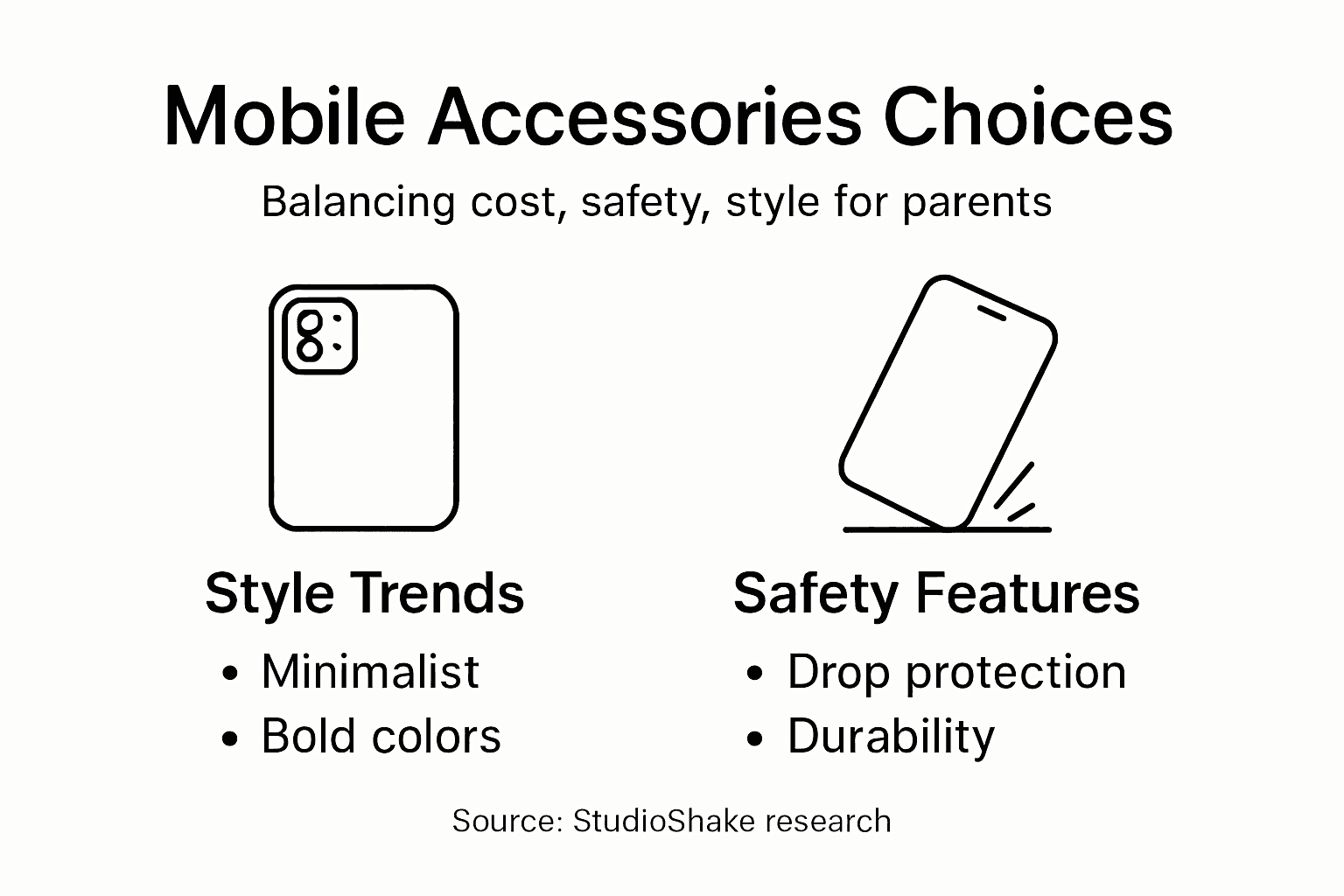
The negotiation between cost, safety, and aesthetics isn’t arbitrary. Balancing functional, expressive, and aesthetic needs involves weighing affordability against protective features and desirable design. For many London parents, this means recognising that mid-range accessories often represent better value than either budget options or premium luxury cases. A budget case might fail within six months, requiring replacement and ultimately costing more. A premium case might offer marginally better protection than a well-designed mid-range alternative whilst charging considerably more. Where you land depends on your specific situation. Someone with young children whose phones face daily rough treatment might prioritise safety above all else, justifying higher spending. Someone working in professional settings might weight aesthetic presentation more heavily because the case remains visible throughout their day. A parent juggling multiple responsibilities might prioritise longevity—choosing an accessory that survives two years of daily use rather than requiring annual replacement.
Understanding what safety actually means for your situation matters too. Users particularly parents prioritise safety and durability alongside style and budget, making trade-offs essential in product selection. Safety isn’t abstract—it’s specific. Does it mean drop protection from pocket height or shoulder height? Does it mean protecting against occasional spills or serious water exposure? Does it mean safeguarding expensive new phones or slightly older devices where replacement would be less financially devastating? Your genuine safety needs might require significantly less spending than accessory marketing suggests. Conversely, your aesthetic priorities might genuinely matter for your daily wellbeing and phone engagement. There’s nothing wasteful about selecting an accessory you’ll actually appreciate using rather than tolerating.
Making intentional trade-off decisions requires honesty about your actual use patterns and priorities. List what matters most: is it protection from specific risks, visual appeal that makes you happy, durability that justifies the price, environmental considerations, or alignment with your personal style? Rank those factors. Then identify what price point feels genuinely comfortable for your budget. Within that constraint, you’re identifying options rather than making perfect compromises. You might discover that mid-range options in your preferred aesthetic outperform cheaper alternatives significantly, justifying slightly higher spending. Alternatively, you might realise that basic protection meets your genuine needs adequately, freeing budget for other priorities.
To aid purchase decisions, here’s a summary of trade-offs between cost, safety, and style in mobile accessories:
| Priority | Main Benefit | Common Trade-off | Best for |
|---|---|---|---|
| Safety | Superior drop protection | Can be bulkier or plain | Young families |
| Style | Unique appearance, self-expression | May reduce impact resistance | Professionals, teens |
| Affordability | Budget-friendly, replaceable | Shorter lifespan, basic features | Large households |
| Longevity | Durable over time | Slightly higher upfront cost | Multi-device families |
Pro tip: Before purchasing, articulate your single highest priority—protection, appearance, or affordability—then identify the best option within that primary constraint rather than hunting for perfect balance across all three factors.
Discover Mobile Accessories That Reflect Your Unique Lifestyle
Balancing style with protection is not just a desire but a necessity for parents navigating busy London life. This article highlights how mobile accessories have evolved to serve both expressive and functional roles. At StudioShake, we understand the challenge of finding phone cases that protect your device through daily tumbles while enhancing your personal style with gender-neutral designs and premium finishes. Our curated collections capture these key priorities by offering durable, stylish options that fit seamlessly into your work and family routines.
Explore our wide range of iPhone cases tailored for modern protection without sacrificing aesthetic appeal. Whether you need a slim profile for pocket use or magnetic closures for efficient storage on the go, StudioShake has you covered.
Dont settle for compromise between safety, style, and affordability. Visit StudioShake now to find mobile accessories that truly match your priorities and make every interaction with your device a confident expression of you.
Frequently Asked Questions
How do mobile accessories reflect personal style for parents?
Mobile accessories serve as extensions of personal identity, allowing parents to choose designs, colours, and textures that resonate with their individual aesthetic while also meeting practical needs for protection.
What protective features should parents consider for mobile accessories?
Parents should look for raised bezels, shock-absorbing materials, corner reinforcement, and textured surfaces to prevent slips, addressing the specific risks of daily family life while ensuring durability.
How do fashion trends influence the selection of mobile accessories for parents?
Fashion trends impact the colours, materials, and designs of mobile accessories, with popular styles leaning towards minimalist aesthetics or earth tones that reflect broader fashion cycles and fit seamlessly into parents’ lifestyles.
What factors should parents weigh when balancing cost, safety, and style?
Parents should identify their top priority—whether it’s protection, aesthetics, or affordability—and then select an accessory that best meets that priority, as mid-range options often provide a better balance of quality and value than both budget and premium products.
Recommended
- The Essential Guide to Why Use Mobile Accessories – StudioShake
- Role of Fashion in Phone Cases: Complete Guide – StudioShake
- Phone Cover Trends 2025 – Style and Safety for Parents – StudioShake
- Role Of Age‑Appropriate Phone Accessories: Why It Matters – StudioShake
- Why Streetwear Is Trending Among Young Adults – MEXESS