

Role of Accessories in Learning: Enhancing Education
Every parent faces questions about which tools genuinely improve learning while keeping their child’s devices safe. For families across London, the search goes beyond basic stationery, with modern accessories like adaptive technology and protective cases now playing a central role in education. By understanding the importance of digital teaching resources and personalised tools, parents can select options that match their child’s needs and provide lasting value from home to school.
Table of Contents
- Understanding Accessories In Modern Learning
- Types Of Learning Accessories For Schoolchildren
- Educational Benefits Of Using Accessories
- Digital Device Accessories And Safety Rules
- Selecting The Right Accessories For UK Families
- Common Pitfalls And How To Avoid Them
Key Takeaways
| Point | Details |
|---|---|
| Integration of Technology | Educational accessories like digital platforms and AI tools enhance personalised learning experiences beyond traditional classrooms. |
| Diverse Learning Tools | A range of accessories supports different areas of development, from STEM to literacy and motor skills, catering to various learning styles. |
| Safety and Accessibility | Attention to device safety and accessibility is crucial for maximising educational benefits while minimising risks and barriers. |
| Avoiding Common Pitfalls | Strategically selecting accessories can prevent over-reliance on technology and ensure a balance between digital and personal engagement in learning. |
Understanding Accessories in Modern Learning
Modern educational environments are increasingly defined by technological integration, with digital accessories transforming traditional learning paradigms. Personalised learning technologies are reshaping how students engage with educational content, providing adaptive and interactive experiences that extend beyond conventional classroom boundaries.
These educational accessories encompass a diverse range of technological tools designed to enhance learning outcomes:
- Digital platforms that enable remote collaboration
- Adaptive learning systems that personalise curriculum
- AI-driven management tools for tracking student progress
- Interactive mobile applications supporting independent study
The fundamental purpose of these accessories is not merely technological novelty, but strategic enhancement of educational engagement. Digital teaching resources now serve critical functions in creating more responsive, individualised learning environments that cater to diverse student needs and learning styles.
By integrating sophisticated technological accessories, educational institutions can create more dynamic, responsive learning ecosystems that adapt to individual student requirements. These tools facilitate personalised learning experiences, enabling students to progress at their own pace while receiving targeted support and feedback.
Pro tip: Select educational accessories that offer measurable learning outcomes and align closely with specific curriculum goals.
Types of Learning Accessories for Schoolchildren
The landscape of educational accessories for schoolchildren has dramatically evolved, offering a sophisticated array of tools designed to enhance learning across multiple developmental domains. Educational resources span diverse learning categories, supporting students’ cognitive, emotional, and skills-based growth through targeted technological and physical accessories.
These learning accessories can be categorised into several key types:
-
STEM Learning Accessories
- Coding kits
- Robotics sets
- Scientific exploration tools
- Mathematical manipulatives
-
Literacy Development Accessories
- Interactive reading devices
- Phonics learning tools
- Language translation gadgets
- Storytelling technologies
-
Motor Skills Enhancement Tools
- Fine motor skill development kits
- Sensory learning accessories
- Hand-eye coordination devices
- Precision movement technologies
Modern school supplies now encompass comprehensive learning solutions that go beyond traditional stationery, integrating digital and physical tools to create immersive educational experiences. These accessories are meticulously designed to support different learning styles, ensuring that children with varied cognitive approaches can access personalised educational resources.
The following table summarises key differences between physical and digital learning accessories in schools:
| Accessory Type | Typical Use Case | Advantages | Potential Challenges |
|---|---|---|---|
| Physical Accessories | Hands-on experimentation | Develops motor skills | Storage and maintenance |
| Digital Accessories | Interactive content access | Enables personalised pace | Requires device safety |
The integration of sophisticated learning accessories transforms educational environments, enabling more interactive, engaging, and personalised learning journeys. By providing tools that adapt to individual learning needs, schools can create more inclusive and effective educational experiences that prepare students for an increasingly complex technological world.
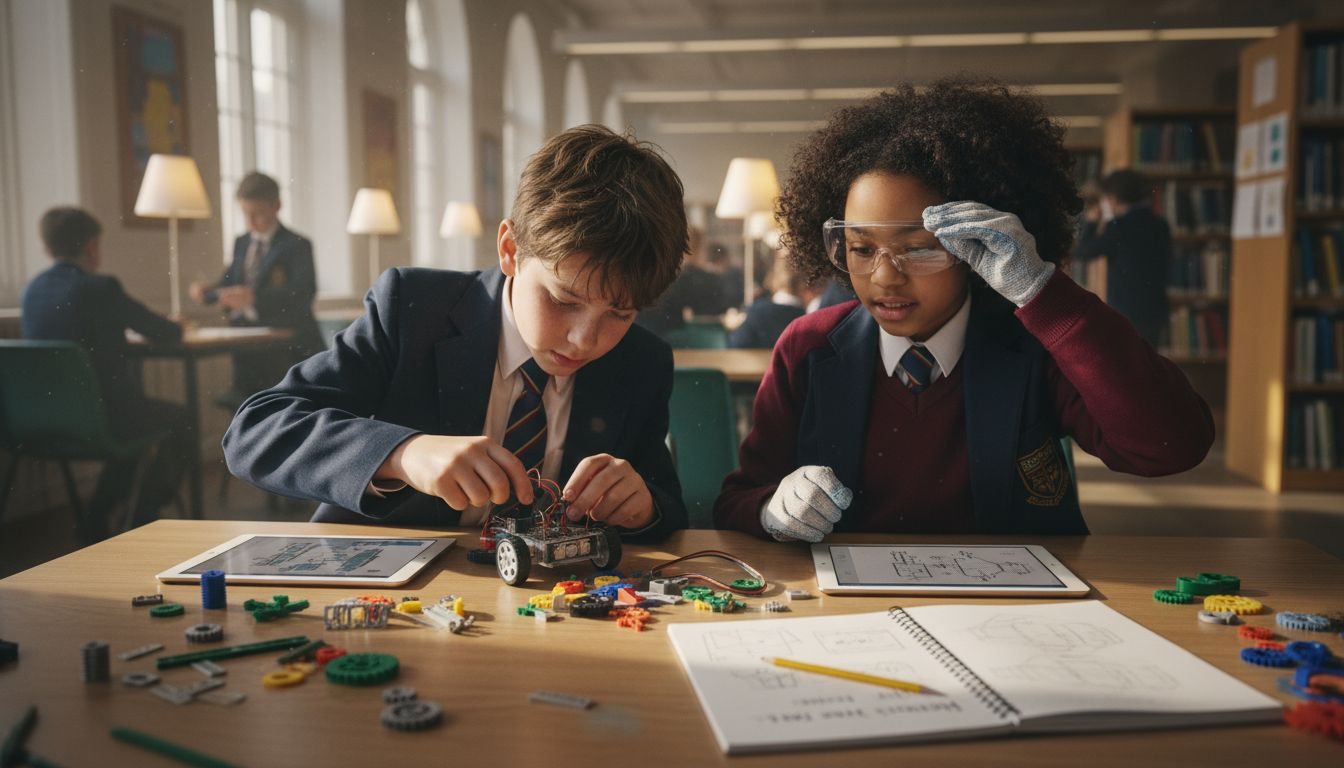
Pro tip: Select learning accessories that balance technological engagement with hands-on learning experiences to maximise educational outcomes.
Educational Benefits of Using Accessories
Educational accessories represent a transformative approach to learning, providing innovative tools that significantly enhance students’ cognitive and practical development. Innovative educational technologies are revolutionising how students interact with educational content, creating more personalised and engaging learning experiences.
The key educational benefits of learning accessories include:
-
Cognitive Enhancement
- Breaking down complex concepts
- Visualising abstract theories
- Improving information retention
- Stimulating critical thinking skills
-
Learning Accessibility
- Supporting diverse learning styles
- Accommodating different abilities
- Providing alternative learning pathways
- Reducing educational barriers
-
Interactive Learning
- Promoting active student participation
- Encouraging collaborative learning
- Increasing engagement levels
- Making learning more enjoyable
Educational equipment supports comprehensive learning strategies that extend beyond traditional teaching methods. These accessories create dynamic learning environments where students can explore, experiment, and develop skills through hands-on experiences.
Technological accessories are particularly powerful in tailoring educational experiences to individual student needs. By leveraging adaptive learning systems and interactive tools, educators can create personalised learning journeys that address each student’s unique cognitive profile, learning pace, and intellectual interests.
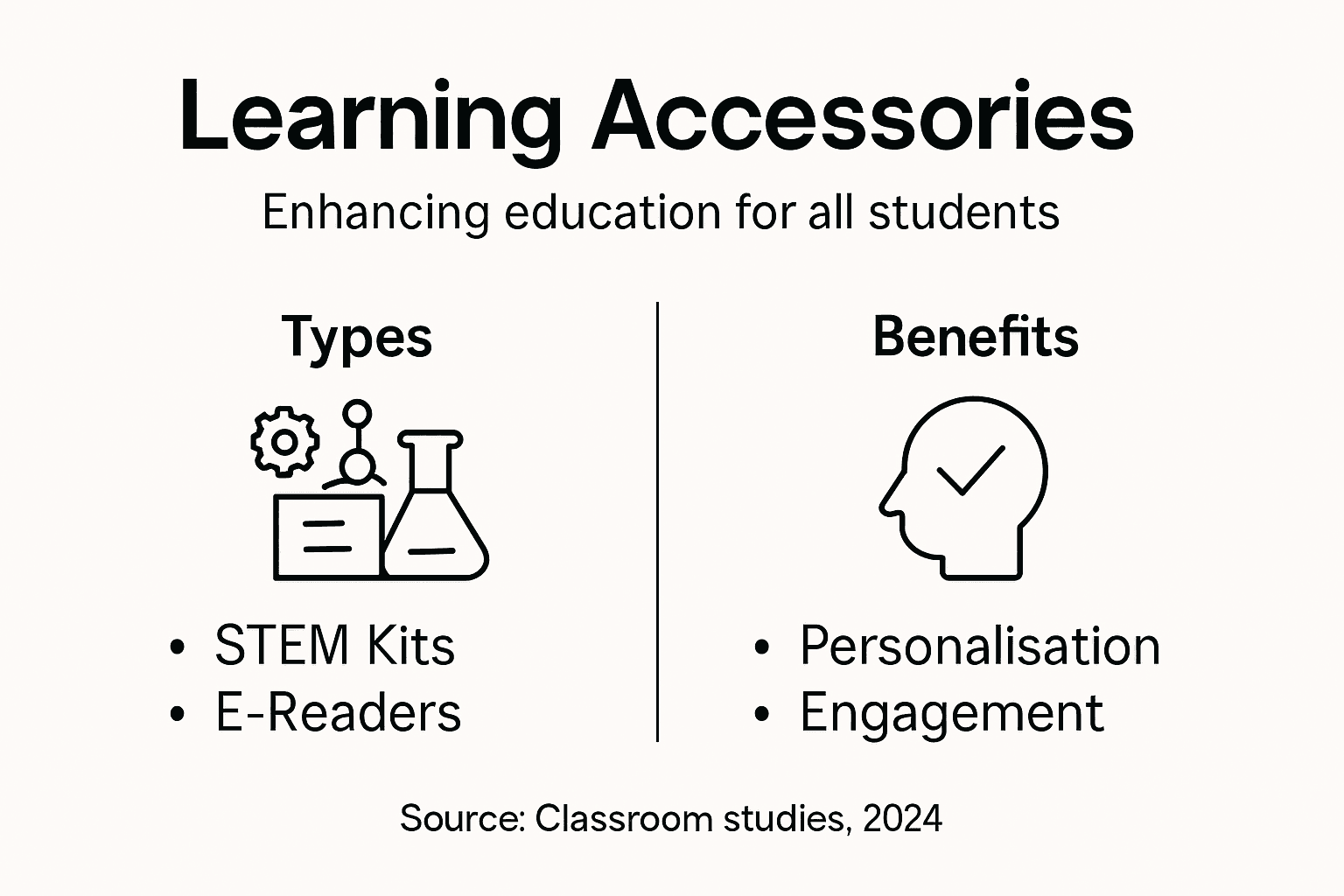
Pro tip: Prioritise learning accessories that encourage active participation and offer multiple modes of interaction to maximise educational engagement.
Digital Device Accessories and Safety Rules
In the rapidly evolving digital education landscape, managing device safety has become paramount for students and educational institutions. Digital teaching resources require comprehensive safety protocols to protect both technological investments and student well-being.
Key safety considerations for digital device accessories include:
-
Physical Protection
- Impact-resistant device cases
- Screen protectors
- Anti-drop accessories
- Temperature-resistant covers
-
Digital Security
- Parental control software
- Network protection tools
- Data encryption accessories
- Privacy screen filters
-
Health and Ergonomics
- Posture-supporting stands
- Blue light filtering glasses
- Wrist support accessories
- Adjustable device holders
The primary objectives of digital device accessories are to mitigate risks while enhancing learning experiences. These tools serve multiple functions: protecting expensive technological equipment, safeguarding students’ digital privacy, and promoting healthy interaction with technological resources.
Parents and educators must collaborate to establish clear guidelines for device usage, ensuring that technological accessories become enablers of safe, productive learning rather than potential sources of distraction or vulnerability.
Here’s a quick comparison of primary safety concerns for digital device accessories and suggested mitigation strategies:
| Safety Concern | Risk Example | Mitigation Strategy |
|---|---|---|
| Physical Damage | Device drops and impacts | Use robust cases and covers |
| Digital Security | Unauthorised data access | Enable encryption and controls |
| Health Impacts | Eye strain and posture | Employ ergonomic accessories |
| Privacy Risks | Exposure to personal info | Use privacy screens |
Pro tip: Regularly update device management software and discuss digital safety protocols with students to create a proactive learning environment.
Selecting the Right Accessories for UK Families
Navigating the complex landscape of educational accessories requires thoughtful consideration, particularly for UK families seeking to support their children’s learning journey. Educational resources tailored for UK learners provide critical guidance in selecting age-appropriate tools that align with developmental milestones and curriculum standards.
Key considerations when choosing learning accessories include:
-
Age Appropriateness
- Developmental stage matching
- Skill-level compatibility
- Safety considerations
- Engagement potential
-
Learning Objectives
- Curriculum alignment
- Skill enhancement focus
- Creativity stimulation
- Cognitive development support
-
Quality and Durability
- Robust construction
- Long-term learning value
- Material safety standards
- Manufacturer reputation
Early learning resources support comprehensive developmental needs by offering carefully curated accessories that bridge home and school learning environments. These tools are designed to make educational experiences both engaging and meaningful for children across different age groups.
Parents should approach accessory selection as a strategic investment in their child’s educational journey, prioritising resources that offer interactive, multi-sensory learning experiences that complement formal educational approaches.
Pro tip: Consult with educators and review curriculum guidelines before purchasing learning accessories to ensure maximum educational impact.
Common Pitfalls and How to Avoid Them
Navigating the complex world of educational accessories requires strategic awareness of potential challenges that can undermine learning effectiveness. Digital learning challenges demand proactive management to ensure these tools truly enhance rather than hinder educational experiences.
Common pitfalls in educational accessory implementation include:
-
Technological Over-Reliance
- Prioritising gadgets over pedagogical substance
- Neglecting human interaction
- Assuming technology equals learning
- Ignoring individual learning differences
-
Safety and Privacy Risks
- Inadequate digital security protocols
- Unmonitored online interactions
- Inappropriate content exposure
- Data privacy vulnerabilities
-
Equity and Accessibility Challenges
- Digital divide between students
- Unequal access to resources
- Limited support for diverse learners
- Cost barriers to quality accessories
Educational technology requires comprehensive risk management to mitigate potential negative impacts. Successful integration demands careful planning, ongoing assessment, and a balanced approach that prioritises educational outcomes over technological novelty.
Educators and parents must collaborate to create robust frameworks that leverage technological accessories while maintaining critical human elements of learning, ensuring these tools serve as enablers rather than replacements for quality educational experiences.
Pro tip: Regularly review and update your approach to educational accessories, maintaining a flexible and critical perspective on their role in learning.
Protect Your Learning Tools with Reliable Accessories from StudioShake
The article highlights the crucial role of educational accessories in enhancing personalisation, engagement, and safety in modern learning environments. One common challenge faced by families and schools is ensuring that digital devices and learning tools remain safe from physical damage and privacy risks while supporting effective learning. At StudioShake, we understand the importance of protecting your gadgets with durable and stylish accessories that safeguard your devices without compromising usability or style.
Discover our comprehensive range of phone cases and mobile accessories designed to meet the very safety concerns emphasised in the article such as physical protection and ergonomic support. Explore our full range to find impact-resistant cases and screen protectors that secure your devices during active learning sessions.
Keep your devices safe so your focus stays on what truly matters – personalised learning and educational growth. Take action today by visiting StudioShake and equip your learning tools with trusted protection designed to enhance your educational experience immediately.
Frequently Asked Questions
What types of learning accessories are available for schoolchildren?
Modern learning accessories include STEM kits, literacy tools, motor skills development kits, and interactive technological devices that enhance various aspects of a child’s education.
How can educational accessories enhance cognitive development in students?
Educational accessories improve cognitive development by visualising complex concepts, breaking down information, and stimulating critical thinking skills through interactive and engaging learning experiences.
What are the key safety considerations for digital device accessories in education?
Key safety considerations include physical protection (like impact-resistant cases), digital security (such as parental controls), and health ergonomics (like posture-supporting stands) to promote safe and effective learning environments.
How do I choose the right educational accessories for my child?
When selecting educational accessories, consider age appropriateness, learning objectives, and the quality of the materials to ensure that they meet developmental needs and curriculum standards.
Recommended
- The Essential Guide to Why Use Mobile Accessories – StudioShake
- Complete Guide to Why Accessorize Your Smartphone – StudioShake
- Role of Detachable Accessories in Device Safety – StudioShake
- Role Of Age‑Appropriate Phone Accessories: Why It Matters – StudioShake
- GeoKeeps - Custom Map Jewelry | Personalized Necklaces & Pendants
- learn languages with music
- Why We Love Plants: Benefits for Modern Living - Lushy Gardens