

Phone Case Sizes – Ensuring the Perfect Fit for Every Family
More than half of British families now own at least three different smartphone models, making the search for the perfect phone case more complicated than ever. Picking the right case sizing goes far beyond looks—it affects your device’s protection, usability, and long-term durability. This guide helps tech-savvy British parents in London understand the core concepts behind case measurements, so every family member’s smartphone stays safe and functions properly.
Table of Contents
- Phone Case Sizes Defined And Key Concepts
- Major Categories And Smartphone Model Differences
- How To Check Your Family’s Phone Case Fit
- Sizing Rules And Material Considerations
- Mistakes To Avoid With Case Compatibility
Key Takeaways
| Point | Details |
|---|---|
| Understanding Case Dimensions | Accurate measurements and precise tolerances are crucial for ensuring compatibility between smartphone models and their cases. |
| Category-Specific Designs | Different case types cater to varying user needs; selecting the right one requires understanding the unique characteristics of each smartphone. |
| Verification Process | Always measure your device before purchasing to avoid compatibility issues, taking into account the model’s specific dimensions and features. |
| Common Mistakes | Avoid compatibility errors by ensuring that model specifications align with case details; consult brand-specific recommendations when in doubt. |
Phone case sizes defined and key concepts
Phone case sizing represents a critical aspect of mobile device protection, where precise measurements determine compatibility and functionality. Phone case dimensions are more complex than simply matching device height and width - they involve sophisticated engineering considerations that ensure seamless integration with various smartphone models.
Manufacturers develop cases using precise dimensional tolerances that account for specific device characteristics like button placement, camera positions, and port locations. These measurements are typically expressed in both millimetres and inches, allowing for international manufacturing standards and consumer understanding. Key sizing considerations include:
- Device length and width
- Camera and sensor cutout precision
- Port and button accessibility
- Overall device thickness
- Material flexibility and stretching potential
Understanding smartphone case measurements requires recognising that each model has unique specifications. For instance, an iPhone 14 Pro case will differ dramatically from a Samsung Galaxy S22 Ultra case, not just in external dimensions but also in internal design nuances. Modern manufacturers use advanced 3D scanning and computer-aided design (CAD) technologies to ensure millimetre-perfect case fit.
Pro tip: Always measure your specific smartphone model’s dimensions before purchasing a case to guarantee perfect compatibility and protection.
Major categories and smartphone model differences
Phone case categories have evolved dramatically, reflecting the diverse needs and unique characteristics of modern smartphones. Case design categories now encompass far more than simple protective shells, offering specialised solutions for different user preferences and device specifications.
The primary categories of phone cases include:
- Slim protective cases: Minimalist design offering basic device protection
- Rugged heavy-duty cases: Enhanced shock absorption for accident-prone users
- Wallet cases: Combining device protection with personal storage functionality
- Clear transparent cases: Showcasing the original smartphone design
- Battery cases: Providing additional power charging capabilities
Each smartphone model presents unique challenges in case design. Samsung Galaxy devices, for instance, often require different cutout configurations compared to iPhones, with variations in camera placement, button locations, and curved screen edges. Smartphone model variations fundamentally drive case manufacturing strategies, demanding precision engineering and adaptive design approaches.
Modern case manufacturers now utilise advanced computer-aided design technologies to create model-specific solutions that account for minute differences in device architecture. This approach ensures not just protection, but optimal functionality across diverse smartphone ecosystems.
Here is a summary of factors affecting case compatibility across popular smartphone brands:
| Brand | Design Complexity | Typical Sizing Challenges | Case Selection Considerations |
|---|---|---|---|
| Apple (iPhone) | Flat, uniform surfaces | Small changes between models | Camera cutout accuracy critical |
| Samsung Galaxy | Curved screens, variable buttons | Edge curvature, sensor placement | Button accessibility and edge fit |
| Google Pixel | Centralised sensors, unique connector ports | Niche device sizing | Port alignment and tactile buttons |
Pro tip: Always verify your specific smartphone model’s exact dimensions and unique features before purchasing a case to guarantee perfect fit and functionality.
How to check your family’s phone case fit
Ensuring a perfect phone case fit requires meticulous measurement and careful comparison of device specifications. Precise phone case measurements involve more than casual estimation - they demand systematic verification of your smartphone’s exact dimensions.
To check your family’s phone case compatibility, follow these essential steps:
-
Measure your device accurately
- Determine precise length, width, and thickness
- Use a digital caliper or precise measuring tape
- Record measurements to the nearest millimetre
-
Compare with case specifications
- Check manufacturer’s detailed size charts
- Verify internal case dimensions match your device
- Confirm cutout alignments for buttons and ports
-
Consider unique device characteristics
- Account for camera placement
- Check screen edge curvature
- Evaluate potential wireless charging compatibility
Multiple smartphone models within a family require individual assessment. Comprehensive size verification becomes crucial when managing diverse devices, preventing potential fitting issues that could compromise protection or functionality.

Modern smartphones vary dramatically in dimensions, with differences as subtle as a millimetre potentially rendering a case incompatible. Professional case manufacturers now provide extremely detailed specifications, enabling families to make informed purchasing decisions.
Pro tip: Keep a digital record of each family member’s smartphone measurements to streamline future case purchases and ensure consistent device protection.
Sizing rules and material considerations
Phone case design represents a sophisticated intersection of precise engineering and material science, where case material innovations directly impact protection, functionality, and user experience. Understanding the intricate relationship between sizing rules and material properties is crucial for selecting optimal device protection.
Key sizing and material considerations include:
-
Dimensional precision
- Exact millimetre-level measurements
- Tight tolerance requirements
- Seamless device integration
-
Material performance characteristics
- Shock absorption capacity
- Scratch resistance
- Thermal stability
- Wireless charging compatibility
-
Protection spectrum
- Lightweight flexible options
- Heavy-duty rugged designs
- Specialised impact-resistant composites
- Eco-friendly sustainable materials
Modern smartphone cases must balance multiple competing requirements. Manufacturers now employ advanced composite materials that provide enhanced protection without compromising device aesthetics or functionality. Silicone, polycarbonate, and hybrid materials offer increasingly sophisticated solutions for different user needs.
To better understand how materials influence phone case selection, see this comparison:
| Material Type | Protection Level | Impact on Device Design | Environmental Benefits |
|---|---|---|---|
| Silicone | Moderate shock absorption | Maintains slim profile | Highly recyclable and durable |
| Polycarbonate | High impact resistance | Adds bulk, offers robust defence | Recyclable, but less sustainable |
| Leather | Scratch resistance, some drop protection | Offers premium look, may obstruct wireless charging | Biodegradable, but resource intensive |
| Hybrid Composites | Advanced shock absorption | Balance between thickness and style | May use sustainable blends |
The evolution of case design demonstrates remarkable technological sophistication, with materials engineered to provide microscopic shock absorption, precise port alignments, and minimal added device weight. Each material selection represents a carefully calculated compromise between protection, flexibility, and user experience.
Pro tip: Select phone case materials that match your specific lifestyle and usage patterns, considering factors like workplace environment, personal activity levels, and potential device exposure risks.
Mistakes to avoid with case compatibility
Navigating smartphone case selection requires careful attention to detail, as common compatibility errors can compromise device protection and functionality. Families frequently encounter challenges when selecting cases that seem suitable but ultimately fail to meet their specific requirements.
The most frequent compatibility mistakes include:
-
Model-specific selection errors
- Choosing cases for incorrect smartphone generations
- Overlooking subtle model variations
- Misunderstanding device dimension nuances
-
Functional limitation risks
- Blocking critical device ports
- Interfering with camera functionality
- Preventing wireless charging capabilities
- Restricting button accessibility
-
Material and design mismatches
- Selecting inappropriate protection levels
- Ignoring device-specific thermal requirements
- Underestimating environmental stress factors
- Compromising aesthetic device integration
Precise measurement represents the cornerstone of successful case compatibility. Smartphone models within the same brand often feature minute differences in thickness, button placement, and camera configurations that can render seemingly identical cases incompatible.
Modern smartphone ecosystems demand meticulous attention to technical specifications. A case that appears perfect might introduce unexpected limitations, potentially damaging expensive devices or restricting their core functionalities. Comprehensive research and careful verification remain essential for protecting your family’s technological investments.
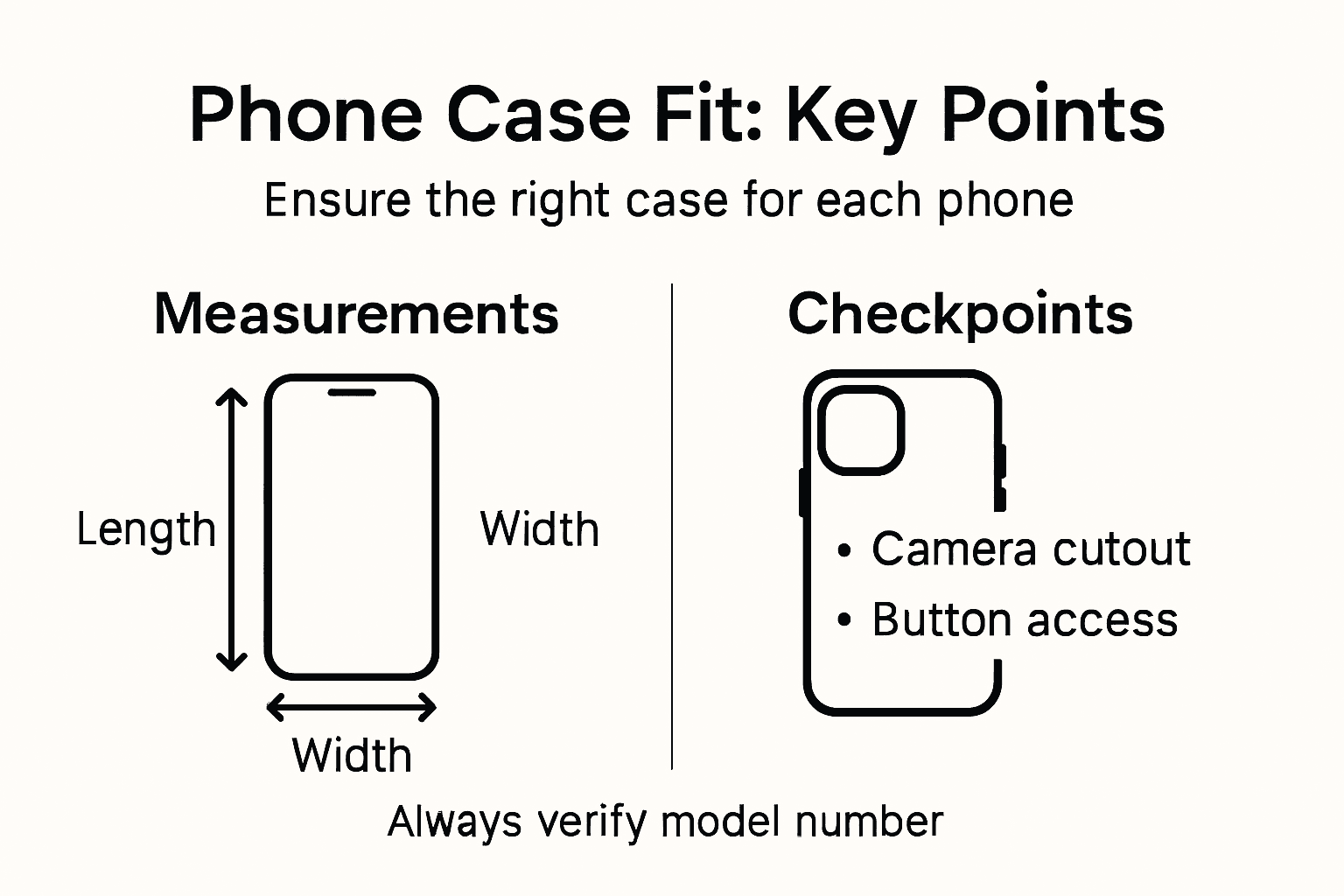
Pro tip: Always cross-reference your exact smartphone model number with case specifications, and when in doubt, consult manufacturer recommendations or professional retail assistance.
Find the Perfect Phone Case Fit for Your Entire Family
Choosing the right phone case is more than just picking any cover. The article highlights key challenges such as precise sizing, accommodating unique smartphone features, and avoiding compatibility mistakes that can cost your devices protection or functionality. At StudioShake, we understand how important it is to find cases that fit accurately across different models while matching your lifestyle needs.
Explore our thoughtfully curated collections like the £1 Case Collection – StudioShake and innovative MagSafe – StudioShake range. These options offer a variety of sizes, materials, and designs engineered for seamless compatibility.

Protect every device in your family with confidence. Visit StudioShake today to measure up and select the perfect case that combines precision fit, durable materials and lasting style. Take action now to avoid the frustration of ill-fitting cases and ensure your smartphones receive the care they deserve.
Frequently Asked Questions
What are the key dimensions to consider when choosing a phone case?
When selecting a phone case, it’s important to measure the device’s length, width, and thickness. Also consider camera cutout precision, port accessibility, and button placements to ensure a perfect fit.
How do I know if a phone case is compatible with my smartphone model?
Ensure compatibility by accurately measuring your device’s dimensions, comparing them with the case specifications provided by the manufacturer, and checking for precise cutouts for buttons and ports.
What type of phone case is best for protection?
For optimal protection, rugged heavy-duty cases are recommended, as they offer enhanced shock absorption and durability, making them suitable for accident-prone users.
Why is it important to consider phone case materials?
The material of the phone case affects its shock absorption capacity, scratch resistance, and flexibility. Choosing the right material can help you balance protection with device aesthetics and functionality.
Recommended
- 7 Smart Tips for Choosing Phone Cases for Families in the UK – StudioShake
- 7 Custom Phone Case Options Every Parent Should Know – StudioShake
- Why Custom Phone Cases: Complete Guide for UK Parents – StudioShake
- Phone Case Design Terminology – What Every Parent Should Know – StudioShake
- Complete Guide to Reading Glasses Size Selection – ministry of sight