

Phone Camera Lens Protectors – Why UK Parents Need Them
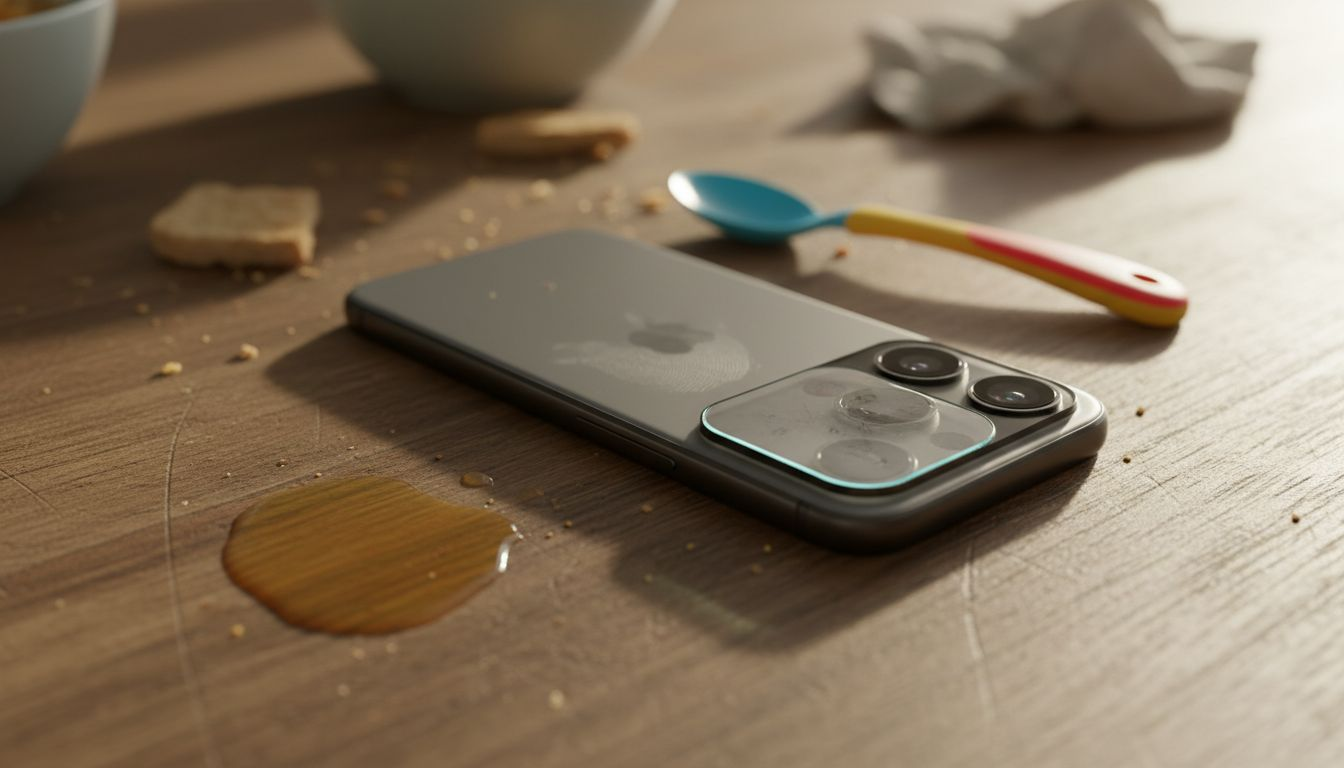
Busy mornings, weekend outings and group photos with your children can leave your smartphone exposed to accidental knocks and scratches. Protecting your phone camera matters for preserving every memory and keeping devices working reliably despite hectic routines. With carefully designed phone camera lens protectors offering advanced scratch resistance and maintaining photo quality, tech-savvy parents can safeguard their investment and ensure stress-free use for the whole family. For complete peace of mind, pair your lens protection with an iPhone Silicone Case Cover to protect the body of your phone from those same daily knocks.
Table of Contents
- Phone Camera Lens Protectors Defined
- Key Types And Material Differences
- How They Work With Modern Phones
- Installation, Maintenance, And Use Tips
- Costs, Risks, And What To Avoid
Key Takeaways
| Point | Details |
|---|---|
| Material Matters | Choose between tempered glass for high durability and optical clarity, or synthetic polymer films for a budget-friendly option. |
| Perfect Fit | Always purchase lens protectors designed specifically for your smartphone model to ensure optimal protection and functionality. |
| Proper Installation | Clean the camera area thoroughly before application to avoid bubbles and ensure adhesion. |
| Quality Over Cost | Avoid unbranded protectors; invest in certified products to prevent potential damage to your camera. |
Phone Camera Lens Protectors Defined
Phone camera lens protectors are specialised transparent shields designed specifically to safeguard the delicate camera lenses on mobile phones from potential damage. These protective accessories serve as a critical defence mechanism against everyday wear and potential accidents that could compromise smartphone camera functionality.
At their core, these protectors are typically crafted from high-grade tempered glass or durable synthetic materials engineered to absorb micro-scratches and minor impacts. Mobile phone safety strategies recommend using such protective accessories to maintain device integrity and preserve photo quality. The primary purpose is preventing direct physical contact between the camera lens and external surfaces that might cause abrasions or structural damage.
Most phone camera lens protectors feature precision-cut designs matching specific smartphone models, ensuring complete lens coverage without interfering with image capture capabilities. They are remarkably thin - often less than 0.3mm thick - which allows them to be virtually invisible while providing robust protection. These accessories typically employ advanced adhesive technologies that enable bubble-free application and seamless integration with the device’s existing camera housing.
Pro tip: When selecting a camera lens protector, always prioritise products specifically designed for your exact smartphone model to guarantee optimal fit and protection.
Key Types and Material Differences
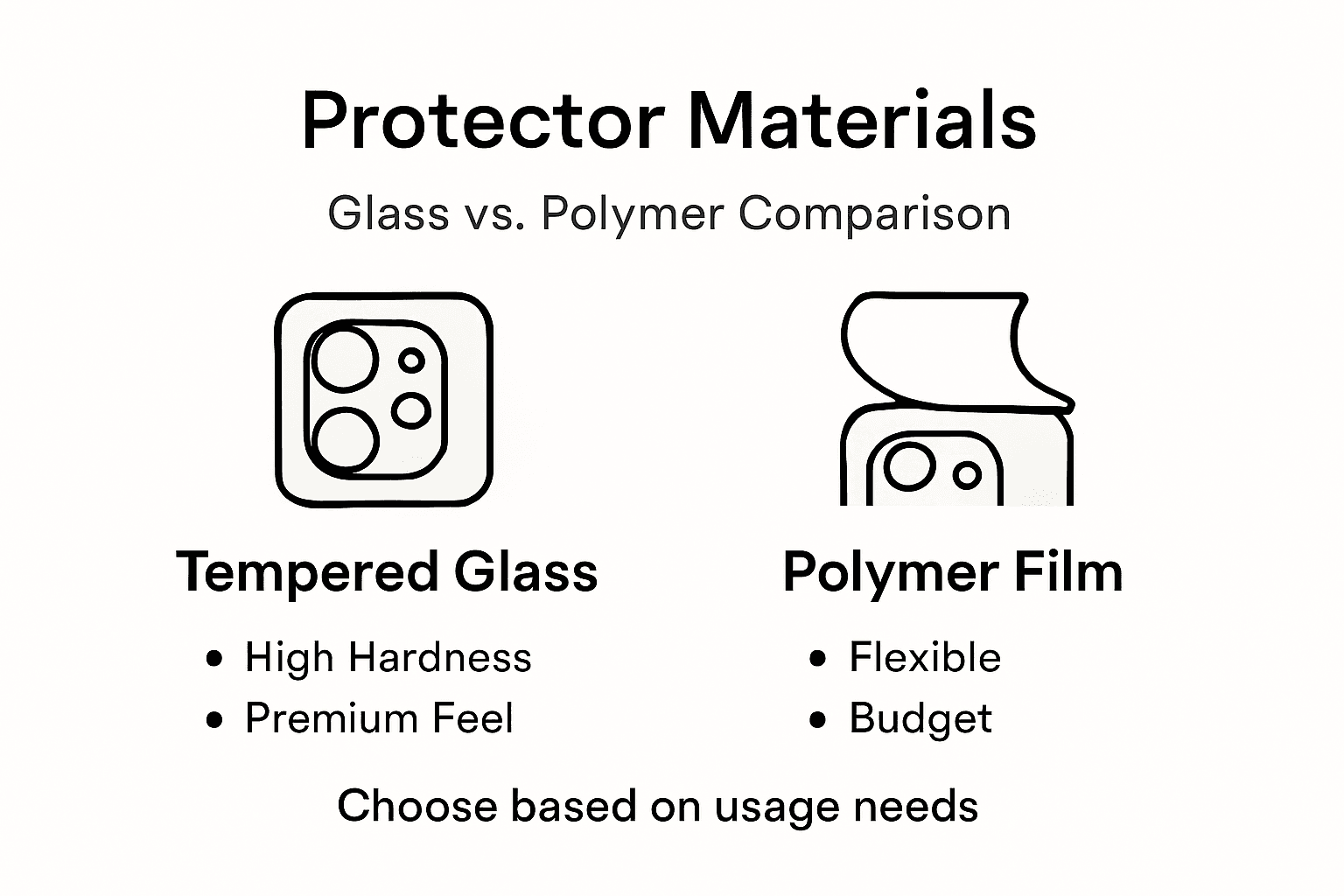
Phone camera lens protectors are primarily manufactured using two distinct material categories: tempered glass and synthetic polymer films. Each material offers unique protective characteristics tailored to different user requirements and smartphone models. Safety assessments for protective systems emphasise the critical importance of selecting appropriate materials based on specific usage scenarios.
Tempered glass protectors represent the premium option, featuring exceptional hardness and impact resistance. These protectors typically range from 0.2mm to 0.4mm in thickness, providing robust protection against scratches while maintaining near-perfect optical clarity. This same high-level durability is found in our Screen Protectors, which provide a sapphire-hard shield for your main display. The manufacturing process involves thermal treatments that create a molecular structure capable of withstanding significant physical stress without compromising image quality.
Synthetic polymer films, alternatively, offer a more flexible and budget-friendly solution. These ultra-thin protectors are engineered from advanced plastics that provide basic scratch protection and minimal light refraction. While they may not match the durability of tempered glass, polymer films excel in scenarios requiring frequent replacement or lightweight protection. Protective material regulations highlight the importance of understanding each material’s specific performance characteristics before selection.
Pro tip: Always match your camera lens protector material to your specific usage environment, considering factors like daily handling, potential impact risks, and image quality requirements.
Here’s a summary of the main material options for phone camera lens protectors:
| Material Type | Durability | Optical Clarity | Best For |
|---|---|---|---|
| Tempered Glass | High scratch resistance | Nearly transparent | Premium users seeking strong protection |
| Synthetic Polymer Film | Flexible, less durable | Slightly reduced clarity | Frequent replacement and low-cost needs |
How They Work With Modern Phones
Modern smartphone camera lens protectors are engineered with precision to integrate seamlessly with contemporary multi-lens camera systems. Camera accessory compatibility requires sophisticated design approaches that maintain optical performance while providing robust physical protection. These protectors are meticulously crafted to match the exact curvature, dimensions, and optical characteristics of specific smartphone camera modules.
The advanced manufacturing techniques involve creating ultra-thin protective layers that sit directly on top of camera lenses without disrupting critical technological features. Sophisticated adhesive technologies ensure bubble-free application, maintaining perfect optical clarity and preventing any interference with autofocus mechanisms, image stabilisation systems, or sensor performance. Professional-grade lens protectors are engineered with microscopic precision to ensure they do not add any additional thickness that might impact camera functionality.
Regulatory standards play a crucial role in lens protector design, with manufacturers required to meet stringent device safety specifications. These standards mandate that protective accessories must not introduce electromagnetic interference, compromise signal transmission, or reduce the intrinsic optical quality of smartphone cameras. Modern lens protectors undergo extensive testing to verify their compatibility with complex camera systems featuring multiple lenses, depth sensors, and advanced imaging technologies.
Pro tip: Always purchase lens protectors specifically designed for your exact smartphone model to ensure maximum protection and zero interference with camera functionality.
Installation, Maintenance, and Use Tips
Successful installation of phone camera lens protectors requires meticulous preparation and careful technique. Protective equipment maintenance practices emphasise the importance of creating a pristine environment before application. Begin by thoroughly cleaning the smartphone camera area using a lint-free microfibre cloth, removing all dust, oils, and microscopic debris that could compromise the protector’s adhesion and optical clarity.
The application process demands precision and patience. Most high-quality lens protectors come with alignment guides or precise cut-outs matching specific smartphone models, enabling near-perfect placement. If you are protecting a larger device, our iPad Smart Case also features precision-engineered cutouts that make it compatible with high-quality lens shields. Use clean, dust-free hands and work in a well-lit space to ensure bubble-free installation. Gentle, consistent pressure helps eliminate air pockets, with most professional-grade protectors featuring advanced adhesive technologies that allow repositioning during the initial application stage.
Mobile device protection strategies recommend regular maintenance to preserve the lens protector’s effectiveness. Routine cleaning with specialised microfibre cloths prevents dust accumulation and maintains optical transparency. Inspect the protector periodically for signs of wear, such as microscopic scratches or hazing that might interfere with image quality. Most lens protectors are designed for relatively simple replacement, typically requiring removal of the existing protector and thorough cleaning before applying a new one.
Pro tip: Always keep a spare lens protector and microfibre cloth in your tech kit, ensuring you can quickly replace or clean your camera lens protection when needed.
Costs, Risks, and What to Avoid
Phone camera lens protectors represent an important investment in device protection, with prices ranging from £5 to £30 depending on quality and smartphone model specificity. Cyber laws protecting personal tech underscore the broader importance of comprehensive device protection beyond just physical accessories. Budget-conscious parents should focus on value rather than simply selecting the cheapest option, understanding that inferior protectors might ultimately cost more through potential camera damage.
Navigating potential risks requires careful consideration of product quality and certification. Protective equipment risk management emphasises selecting certified products that undergo rigorous testing. Avoid purchasing unbranded or extremely cheap lens protectors from unknown manufacturers, as these may introduce significant risks such as optical distortion, poor adhesion, or materials that could potentially damage your smartphone’s delicate camera sensors. Look for protectors with clear manufacturer warranties and positive user reviews from verified purchasers. For professional-grade protection that doesn't compromise on style or security, our iPhone Leather Wallet Case provides a raised camera bezel for a natural layer of extra protection.
Key risks to avoid include purchasing protectors that do not precisely match your specific smartphone model, using protectors with low-quality adhesive materials, and failing to clean the camera lens thoroughly before installation. Some budget protectors may introduce air bubbles, reduce image clarity, or create unintended optical interference. Professional-grade lens protectors typically offer better compatibility, clearer optical performance, and more reliable protection against scratches and impacts.
Consider these key risks and how to avoid them when choosing a camera lens protector:
| Risk | Consequence | How to Avoid |
|---|---|---|
| Poor fit | Image distortion | Select device-specific protectors |
| Low-quality adhesive | Air bubbles, weak hold | Choose reputable brands with product certifications |
| Uncertified materials | Sensor damage, poor protection | Verify independent safety and quality reviews |
| Neglecting camera cleaning | Reduced image clarity | Thoroughly clean lens before protector application |
Pro tip: Always read independent product reviews and verify the protector’s compatibility with your exact smartphone model before making a purchase.
Protect Your Phone Camera with the Right Accessories from StudioShake
The article highlights how delicate and essential phone camera lenses are, especially for busy UK parents who want to keep their devices safe from scratches and damage. With worries like poor fit and low-quality adhesives potentially ruining valuable photos, using a high-quality camera lens protector is crucial. At StudioShake, we understand these challenges and offer a range of mobile accessories designed to protect your phone comprehensively. Whether you need a precise camera lens protector, screen guard, or full phone case, our products help safeguard your device without compromising on clarity or functionality.
Explore our collection of Screen Protectors – StudioShake tailored to keep your lenses crystal clear and free from scratches. If you own a popular model like Samsung Galaxy or Google Pixel, check out our specialised selections for Samsung Galaxy and Google Pixel devices. Don’t wait until your camera lens gets damaged. Visit StudioShake today to find the perfect protection solution and keep your memories sharp and safe.
Frequently Asked Questions
What are phone camera lens protectors?
Phone camera lens protectors are transparent shields designed to safeguard the camera lenses on mobile phones from scratches and impacts. They help maintain phone integrity and photo quality.
What materials are used in phone camera lens protectors?
Phone camera lens protectors are primarily made of tempered glass or synthetic polymer films. Tempered glass offers high durability and optical clarity, while polymer films provide a flexible, budget-friendly option.
How do I install a phone camera lens protector?
To install a lens protector, clean the camera area with a microfibre cloth, align the protector carefully, and apply gentle pressure to eliminate air bubbles. Many protectors come with guides for easy installation.
How often should I replace my camera lens protector?
You should inspect your lens protector periodically for scratches or wear. If you notice any signs of degradation that affect image quality, it’s time to replace it. Most protectors are designed for easy removal and replacement.