

Ergonomic Phone Cases – Why Health Matters Most
Every parent knows the feeling of juggling school messages, work emails, and family chats without a moment to spare. In London, daily life and digital routines often mean long hours gripping your phone, which can leave hands and wrists aching by evening. Choosing an ergonomic phone case is more than a comfort decision, transforming device use into a healthier, less stressful part of your routine while protecting your well-being through clever, user-focused design.
Table of Contents
- Defining Ergonomic Phone Cases and Their Role
- Types of Ergonomic Designs for Phones
- Key Health Benefits for Busy Parents
- Potential Strain and Injury Without Ergonomics
- What to Look For When Buying in the UK
Key Takeaways
| Point | Details |
|---|---|
| Ergonomic Importance | Ergonomic phone cases are critical for reducing physical strain from prolonged smartphone use. |
| Health Benefits | These cases help in minimising wrist strain, repetitive injury risks, and improving overall comfort during device use. |
| Selection Criteria | When purchasing, prioritise material quality, fit accuracy, and safety certification for optimal ergonomic support. |
| Impact of Poor Design | Non-ergonomic phone usage can lead to chronic pain and musculoskeletal disorders, highlighting the need for ergonomic solutions. |
Defining Ergonomic Phone Cases and Their Role
Modern digital habits mean we spend hours holding smartphones, making ergonomic design critical for preventing physical strain. The concept of ergonomics extends far beyond workplace equipment, directly impacting how we interact with personal technology. Scientific ergonomic principles focus on designing equipment that adapts to human capabilities, reducing potential health risks associated with prolonged device usage.
Ergonomic phone cases represent a sophisticated approach to device interaction, engineered to support natural hand positioning and minimise muscular stress. These specialised accessories are not merely protective shells, but carefully constructed interfaces between technology and human physiology. Their design considers multiple critical factors:
- Reduced wrist and hand strain during extended use
- Improved device grip and control
- Enhanced weight distribution across the hand
- Minimised awkward holding positions
- Support for natural hand biomechanics
The primary goal of an ergonomic phone case is transforming a potentially harmful interaction into a comfortable, health-conscious experience. Human capability considerations mean these cases are meticulously crafted to prevent repetitive strain injuries, carpal tunnel syndrome, and other musculoskeletal issues that can develop from improper device handling.
To better understand how ergonomic phone cases differ from standard options, here is a concise comparison:
| Criteria | Ergonomic Cases | Standard Cases |
|---|---|---|
| Hand Comfort | Supports natural positioning | May cause discomfort |
| Health Risk | Minimises strain injuries | Higher likelihood of pain |
| Grip and Control | Enhanced surface and shape | Often slippery or basic |
| Weight Distribution | Spreads load evenly | Focuses weight in spots |
Pro tip: When selecting an ergonomic phone case, prioritise designs that match your specific hand size and typical usage patterns to maximise comfort and protection.
Types of Ergonomic Designs for Phones
Ergonomic phone case designs have evolved dramatically, offering sophisticated solutions to address the complex challenges of modern digital interactions. Anthropometric design principles ensure these accessories are not just protective shells, but carefully engineered interfaces that adapt to individual user needs and body mechanics.
These innovative designs typically fall into several key categories, each addressing specific ergonomic challenges:
- Contoured Grip Cases: Shaped to follow natural hand curvature
- Pressure Distribution Cases: Designed to spread device weight evenly
- Textured Surface Cases: Providing enhanced grip and control
- Adjustable Angle Cases: Supporting multiple usage positions
- Cushioned Impact Cases: Reducing strain during prolonged use
The most advanced ergonomic phone cases incorporate multiple design strategies to provide comprehensive protection and comfort. Human factors design principles emphasise creating products that seamlessly integrate with user capabilities, reducing potential musculoskeletal risks associated with constant digital device interaction.

Modern ergonomic designs go beyond simple functionality, considering factors like hand size, grip strength, and typical usage patterns. They represent a nuanced approach to device interaction, transforming smartphones from potential health hazards into user-friendly technological companions that support rather than strain our physical capabilities.
Pro tip: Choose an ergonomic phone case that matches your specific hand size and typical usage patterns to maximise comfort and minimise potential strain.
Key Health Benefits for Busy Parents
Parents navigating the complex world of digital multitasking face unique physical challenges that can lead to significant musculoskeletal strain. Musculoskeletal disorder prevention becomes critical when considering the constant smartphone interactions that characterise modern parenting.
The key health benefits of ergonomic phone cases for busy parents are comprehensive and transformative:
- Reduced Wrist Strain: Minimising awkward hand positions
- Decreased Repetitive Injury Risk: Supporting natural hand mechanics
- Enhanced Grip Comfort: Reducing finger and hand fatigue
- Improved Posture Support: Enabling healthier device interaction
- Long-term Physical Protection: Preventing chronic pain development
Ergonomic design principles specifically address the unique physical demands parents experience during constant digital communication. Posture and stress reduction become paramount when managing multiple responsibilities simultaneously, from checking school messages to coordinating family schedules.
These innovative cases represent more than mere accessories; they are strategic health interventions designed to protect parents’ physical well-being during increasingly digital family management. By distributing device weight more evenly and supporting natural hand positioning, ergonomic phone cases transform potentially harmful interactions into comfortable, sustainable digital experiences.
Pro tip: Rotate your phone case periodically and perform gentle hand stretches to maintain optimal hand health during extended device use.
Potential Strain and Injury Without Ergonomics
Digital device interactions can rapidly transform from convenient communication tools to potential health hazards without proper ergonomic considerations. Musculoskeletal disorders from device use represent a growing concern, particularly for individuals who spend significant time interacting with smartphones without protective interventions.
The potential health risks associated with non-ergonomic phone usage include multiple serious complications:
- Chronic Wrist Pain: Resulting from unnatural hand positioning
- Nerve Compression Injuries: Caused by repetitive awkward movements
- Reduced Hand Functionality: Leading to decreased grip strength
- Persistent Neck and Shoulder Strain: From prolonged device viewing
- Cumulative Tissue Damage: Developing through consistent improper handling
Repetitive strain injury mechanisms demonstrate how seemingly minor discomforts can escalate into significant long-term health challenges. These injuries often develop incrementally, with users experiencing initial symptoms like subtle tingling, mild discomfort, and occasional weakness before more serious complications emerge.
Without strategic ergonomic interventions, the human body becomes increasingly vulnerable to device-related physical stress. The continuous micro-movements, awkward angles, and sustained pressure can trigger progressive damage to muscles, tendons, and nerve pathways, transforming everyday technology interactions into potential sources of chronic physical dysfunction.
Pro tip: Listen to your body’s early warning signals and immediately adjust your device handling technique if you experience consistent discomfort or unusual sensations.
What to Look For When Buying in the UK
Making an informed purchase of ergonomic phone cases requires careful consideration of multiple factors specific to the UK market. Product safety standards play a critical role in ensuring consumers invest in high-quality, protective accessories that genuinely support their physical well-being.
When selecting an ergonomic phone case, prioritise the following essential criteria:
- Material Quality: Durable, skin-friendly materials
- Design Flexibility: Adaptable to different hand sizes
- Grip Performance: Secure handling without excessive strain
- Weight Distribution: Even pressure across hand surfaces
- Compatibility: Fits specific device models precisely
- Certification: Meets UK safety and ergonomic guidelines
Understanding consumer protection rights becomes crucial when investing in ergonomic accessories. Buyers should expect comprehensive product descriptions, clear health benefit claims, and the ability to return items that do not meet promised ergonomic specifications.
British consumers must look beyond aesthetic appeal, focusing instead on scientifically designed features that genuinely support physical health. A superior ergonomic phone case should feel like a natural extension of one’s hand, providing comfort, protection, and intuitive interaction with digital devices.
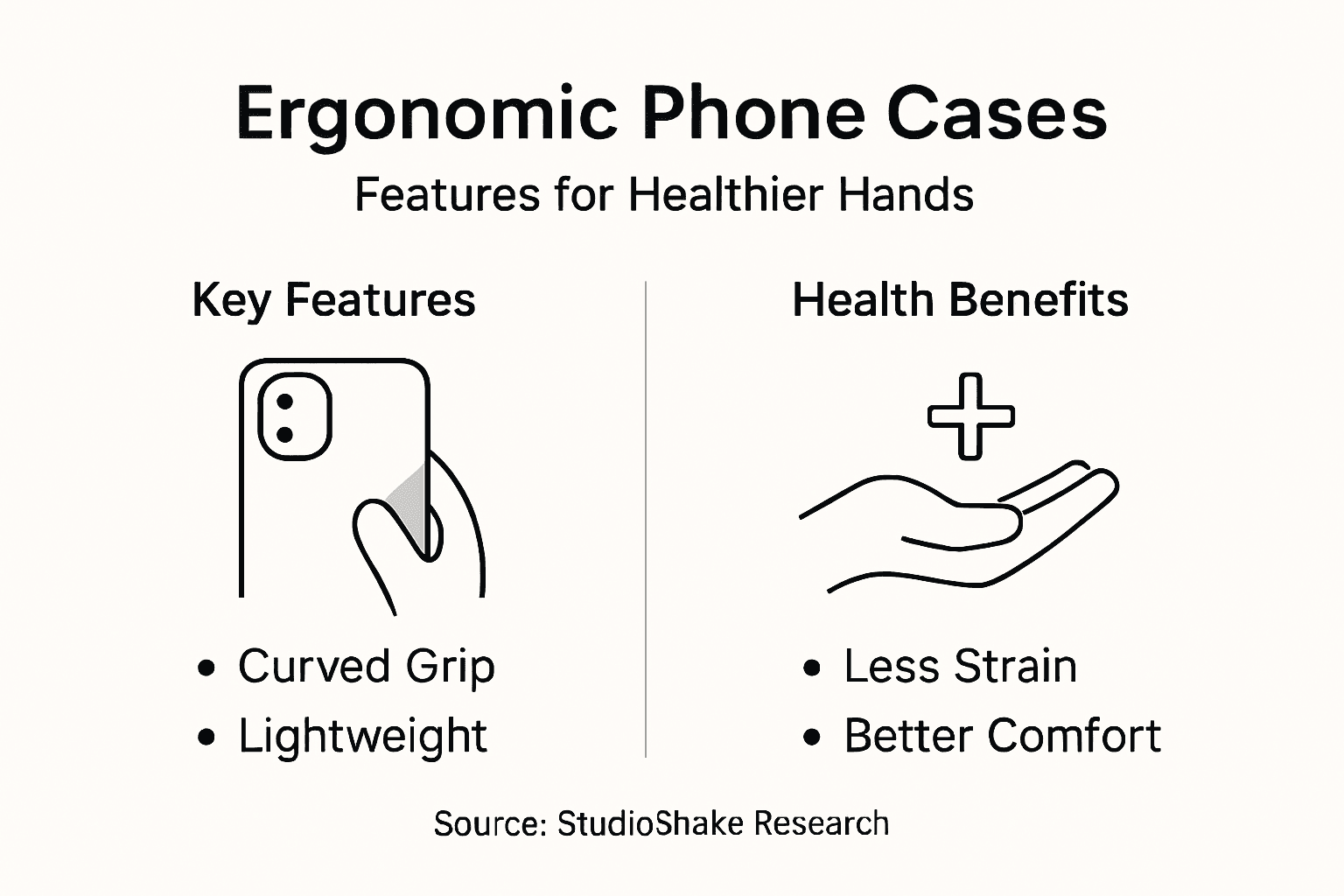
This summary highlights key UK buying considerations for ergonomic phone cases:
| Buying Factor | Why It Matters | UK Tip |
|---|---|---|
| Material Safety | Prevents skin irritation | Look for certified materials |
| Fit Accuracy | Ensures hand comfort | Try in-store for sizing |
| Safety Certification | Guarantees product standards | Check for UK approval marks |
| Return Policy | Protects consumer rights | Read terms before purchase |
Pro tip: Always request a detailed product specification and, if possible, try the phone case in-store to assess its ergonomic fit before purchasing.
Protect Your Health with Ergonomic Phone Cases from StudioShake
Struggling with wrist strain or uncomfortable phone handling during your busy day? The article highlights the importance of choosing phone cases that support natural hand positioning and reduce musculoskeletal risks. At StudioShake, our MagSafe collection offers ergonomic designs crafted to improve grip, distribute weight evenly, and enhance comfort for prolonged use. Discover cases that truly prioritise your health without sacrificing style or protection.
Explore our range today and make the smart choice for your physical well-being. Visit StudioShake to find the perfect ergonomic phone case and join thousands who enjoy comfort and safety every time they pick up their device. Don’t wait until discomfort turns into injury take action now and protect your hands with proven ergonomic solutions from our Total sales by product collection.
Frequently Asked Questions
What are ergonomic phone cases?
Ergonomic phone cases are specially designed accessories that support natural hand positioning and reduce muscular stress during smartphone use. They aim to create a comfortable, health-conscious experience by addressing factors like grip, weight distribution, and posture.
How do ergonomic phone cases benefit my health?
These cases help minimise wrist and hand strain, decrease the risk of repetitive strain injuries, and enhance grip comfort, ultimately reducing the likelihood of chronic pain and musculoskeletal disorders associated with prolonged device usage.
What features should I look for in an ergonomic phone case?
When choosing an ergonomic phone case, consider material quality, design flexibility, grip performance, weight distribution, compatibility with your device, and safety certifications, ensuring it meets health and ergonomic guidelines.
How do ergonomic phone cases differ from standard phone cases?
Ergonomic phone cases provide specific advantages like enhanced comfort and grip, minimised strain injuries, and better weight distribution, while standard cases may not address these health considerations, potentially leading to discomfort and physical strain.